
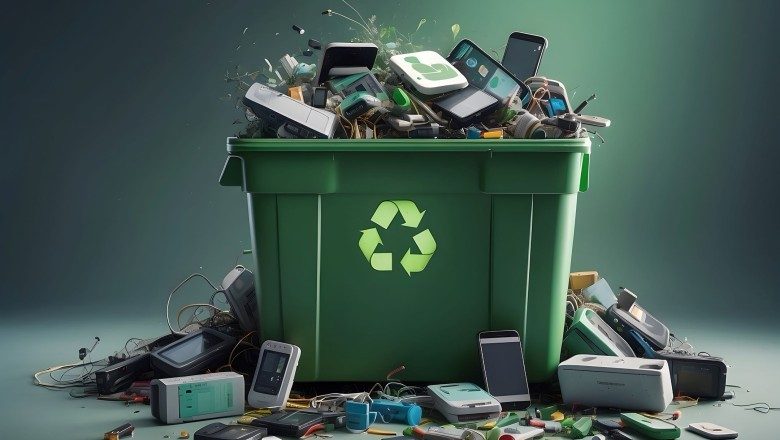
The rapid growth of technology has transformed the way people live, work, and communicate. However, the constant replacement of electronic devices has also created a significant environmental challenge. Old computers, smartphones, televisions, batteries, and other electronic equipment often end up discarded without proper treatment.
E-waste and recycling have become a critical part of sustainable waste management because it helps recover valuable resources, reduce pollution, and prevent harmful materials from entering the environment. As electronic consumption continues to increase, responsible recycling practices are essential for creating a cleaner and more sustainable future.
Understanding the Growing Challenge of Electronic Waste
Electronic waste, commonly known as e-waste, refers to discarded electrical and electronic equipment that is no longer wanted, functional, or useful. It includes household devices, office equipment, industrial electronics, and communication technologies.
Unlike ordinary waste, electronic products contain a combination of valuable materials and potentially hazardous substances. Components may include metals such as gold, copper, aluminium, and silver, along with plastics, glass, and chemical compounds. Without proper recycling, these resources are lost, and harmful materials may create environmental risks.
The increasing demand for newer technology has accelerated the generation of electronic waste worldwide. Consumers frequently upgrade devices for improved performance, while businesses regularly replace IT equipment to maintain efficiency and security. This continuous cycle makes effective e-waste management more important than ever.
How E-Waste Recycling Supports Environmental Sustainability
E-waste recycling plays a vital role in reducing the environmental impact of discarded electronics. Instead of allowing old devices to accumulate in landfills, recycling enables the recovery and reuse of valuable materials.
Reduces Dependence on Raw Material Extraction
Manufacturing electronic products requires significant quantities of natural resources. Mining metals and extracting raw materials can contribute to habitat destruction, energy consumption, and greenhouse gas emissions.
Through recycling, valuable materials can be recovered from outdated electronics and reintroduced into manufacturing processes. This reduces the need for excessive mining activities and supports a circular economy model where resources remain in use for longer periods.
Prevents Soil and Water Contamination
Many electronic devices contain hazardous elements such as lead, mercury, and cadmium. When electronics are improperly disposed of, these substances can leak into soil and groundwater, affecting ecosystems and human communities.
Professional recycling facilities use controlled processes to separate hazardous components and ensure safe treatment. This prevents toxic materials from entering the natural environment and reduces long-term ecological damage.
Helps Reduce Carbon Emissions
Producing new electronics requires energy-intensive manufacturing processes. Recycling existing materials generally requires fewer resources compared to extracting and processing new raw materials. By recovering metals, plastics, and other components, e-waste recycling helps lower energy consumption and contributes to reducing the overall carbon footprint associated with electronic production.
The Role of Responsible E-Garbage Management
Many people underestimate the impact of improperly discarded electronics. Throwing old devices into regular waste streams may seem convenient, but it can create significant environmental and health concerns. Responsible e-garbage disposal ensures that electronic items are collected, processed, and recycled using appropriate methods. Professional recyclers follow systematic procedures, including collection, sorting, dismantling, material recovery, and safe handling of hazardous components.
For businesses, proper electronic waste management is especially important because organisations often generate large volumes of outdated equipment. Computers, servers, networking devices, and office electronics may contain sensitive data and valuable materials. A responsible recycling approach helps companies protect information, meet sustainability objectives, and reduce waste-related risks.
Health Benefits of Proper E-Waste Recycling
The impact of electronic waste is not limited to the environment. Unsafe disposal and informal recycling practices can expose people to harmful substances. When electronics are burned or dismantled without proper safety measures, toxic chemicals may be released into the air.
Workers and nearby communities can face exposure risks that may affect respiratory health, skin conditions, and overall well-being. Professional recycling methods provide safer alternatives by using specialised equipment and controlled environments. These processes protect workers, reduce pollution, and ensure that hazardous materials are managed responsibly.
Why Businesses Should Prioritise E-Waste Recycling
Sustainability is becoming an important priority for modern businesses. Companies are increasingly expected to adopt environmentally responsible practices while managing their operational waste effectively.
Implementing a proper e-waste recycling strategy offers several benefits:
- Improved sustainability performance: Recycling supports corporate environmental goals and responsible business practices.
- Resource recovery: Valuable materials from old electronics can be reused instead of wasted.
- Better data security: Professional recyclers can help ensure secure handling of devices containing sensitive information.
- Regulatory compliance: Responsible waste management helps organisations follow environmental requirements.
- Positive brand reputation: Sustainable practices demonstrate commitment to environmental responsibility.
How Individuals Can Contribute to Sustainable E-Waste Management
Consumers also have an important role in reducing electronic waste. Simple actions can create meaningful environmental benefits:
- Repair devices whenever possible to extend their useful life.
- Donate working electronics instead of discarding them.
- Avoid storing unused devices indefinitely.
- Remove personal data before recycling electronics.
- Choose authorised recycling providers for old equipment.
Building a Sustainable Future Through Responsible Recycling
The future of technology depends not only on continuous innovation but also on responsible resource management. As electronic consumption increases, sustainable recycling practices must become an essential part of modern waste management systems.
A responsible approach to electronic waste helps recover valuable materials, reduce environmental pressure, and minimise the harmful impact of discarded devices. By encouraging proper collection, recycling, and reuse, communities and businesses can contribute to a more sustainable circular economy where resources are conserved, and waste generation is reduced.
Conclusion
E-waste recycling is no longer an optional environmental practice; it is a necessary step toward sustainability. Proper recycling reduces pollution, conserves valuable resources, protects human health, and supports a circular economy. As businesses and individuals become more aware of their environmental responsibilities, adopting responsible e-waste and recycling or e-garbage disposal practices can create long-term benefits for future generations. Choosing professional recycling solutions, such as those offered by Planet Green Recycling (L.L.C), helps ensure that electronic waste is managed safely while supporting a cleaner and greener planet.