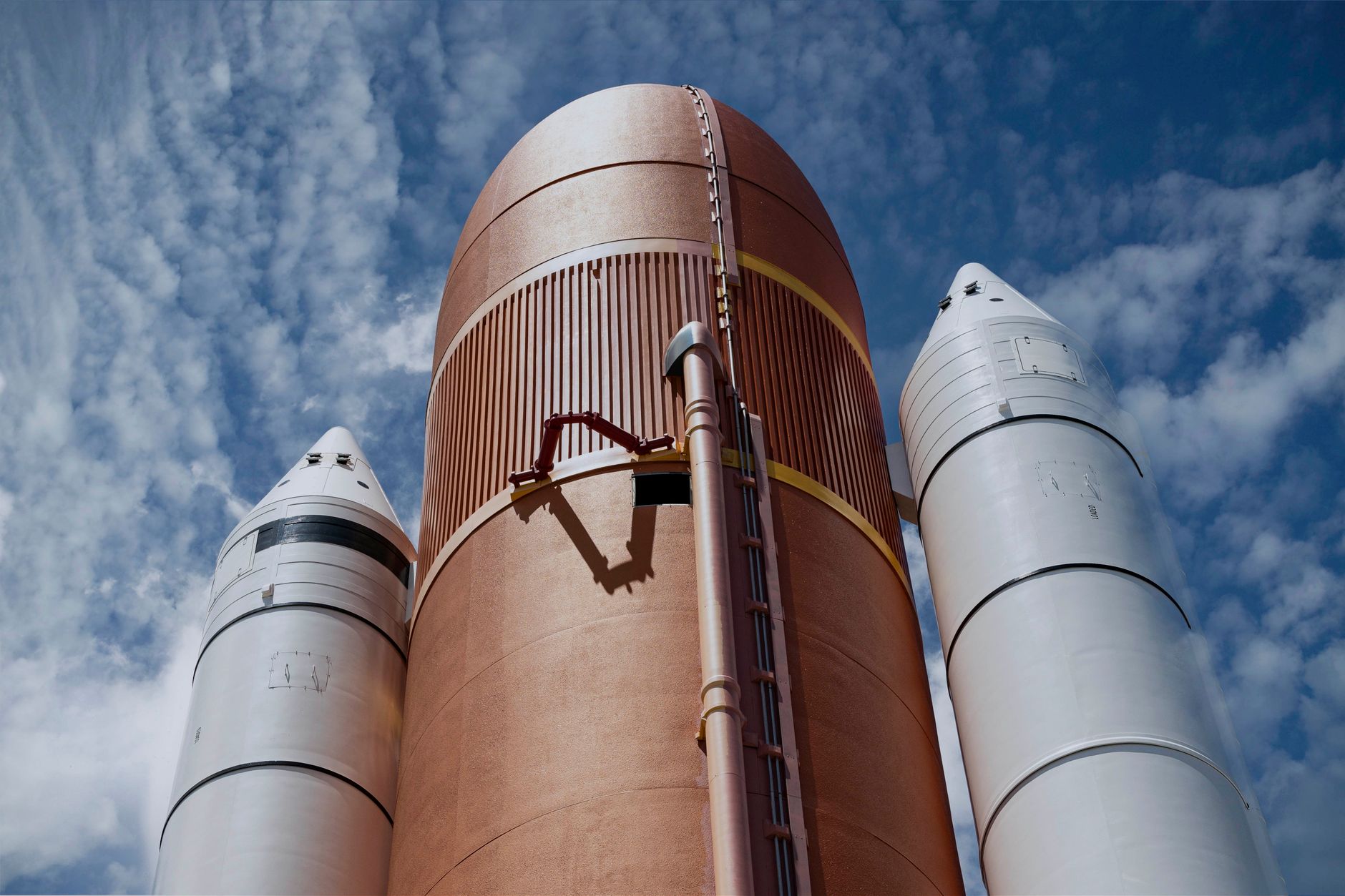

The space squadron is set to launch, marking a significant step in the UK’s defense strategy. This initiative aims to protect the nation from hostile threats in space, showcasing a commitment to national security.
What is the Space Squadron?
The Space Squadron is a newly established unit within the Royal Air Force (RAF) aimed at enhancing the United Kingdom’s strategic capabilities in outer space. This initiative represents a significant step forward in the nation’s defense strategy, particularly in response to evolving threats in the space domain.
As global tensions rise and the importance of space increases, the Space Squadron will focus on safeguarding the UK’s interests against hostile activities. This includes monitoring satellite communications, protecting vital space infrastructure, and ensuring secure access to space for both military and civilian purposes.
The squadron will utilize cutting-edge technology and advanced satellite systems to create a robust defense mechanism. Key objectives of the Space Squadron include:
- Enhancing surveillance of potential threats from rival nations.
- Developing rapid response capabilities to space-based incidents.
- Collaborating with international partners to bolster global security.
With the launch of the Space Squadron, the UK aims to position itself as a leader in space defense, ensuring that it can effectively respond to any challenges in this increasingly contested environment.
Why the UK Needs a Space Squadron
The establishment of a space squadron by the UK is a critical move in safeguarding national security and addressing emerging threats in the modern military landscape. With the increasing reliance on satellite technology for communication, navigation, and intelligence, the need for a dedicated force to protect these assets has never been more urgent.
Several factors highlight why the UK must invest in a space squadron:
- Rising Threats: The global geopolitical climate is shifting, with nations enhancing their capabilities in space warfare. The UK must be prepared to defend its interests against potential adversaries.
- Technological Advancements: Rapid developments in satellite technology and space exploration require a proactive approach to ensure the UK remains at the forefront of these innovations.
- Collaboration Opportunities: A space squadron will enable the UK to work alongside international partners, fostering cooperation in space defense strategies and sharing vital intelligence.
- Economic Benefits: Investing in a space squadron could stimulate the UK’s aerospace sector, creating jobs and driving technological growth, ultimately benefiting the economy.
In summary, the creation of a space squadron is not just a strategic defense initiative; it is a necessary step to secure the UK’s position in an increasingly contested space environment.
Key Features of the New Space Squadron
The newly established Space Squadron is set to play a crucial role in the UK’s defense strategy, offering a range of advanced capabilities. Key features of this innovative unit include:
- Satellite Surveillance: The squadron will utilize cutting-edge satellite technology to monitor potential threats from space, ensuring timely and accurate information is available for decision-makers.
- Rapid Response: Equipped with agile response systems, the Space Squadron can swiftly adapt to emerging threats, providing a robust defense against hostile activities.
- Collaborative Operations: The unit will work closely with international allies, sharing intelligence and enhancing joint operations to protect global security interests.
- Cyber Defense: With the increasing reliance on technology, the squadron will also focus on safeguarding digital assets from cyber threats, ensuring the integrity of military communications.
- Research and Development: The Space Squadron will be at the forefront of technological advancements, continuously evolving its capabilities to address future challenges in space.
By integrating these features, the Space Squadron represents a smart move for the UK in countering potential threats and securing its interests in an increasingly complex space environment.
Potential Threats to UK in Space
The growing presence of satellite technology and the increasing militarization of space have raised significant concerns regarding potential threats to the UK. As nations develop advanced capabilities to use space for strategic advantages, the need for the Space Squadron has become increasingly clear.
Several factors contribute to these threats:
- Rising Geo-Political Tensions: Countries such as China and Russia are expanding their military operations in space, which could undermine the UK’s security interests.
- Cyber Vulnerabilities: Satellites are susceptible to cyberattacks, which could disrupt communication, navigation, and intelligence operations crucial for national defense.
- Space Debris: Increasing amounts of debris pose risks to operational satellites, potentially leading to collisions that could incapacitate critical systems.
- Emerging Technologies: The rapid development of anti-satellite weapons raises the stakes in space, as these capabilities can threaten both civilian and military satellites.
In response to these challenges, the establishment of the Space Squadron marks a proactive step in safeguarding the UK’s interests. By monitoring potential threats and ensuring the integrity of the nation’s satellite assets, the squadron aims to bolster the UK’s resilience against hostile actions in the ever-evolving domain of space.
How the Space Squadron Will Operate
The Space Squadron is designed to operate as a crucial defensive unit for the UK, responding to emerging threats in the space domain. Its primary objective is to safeguard national interests by monitoring and protecting critical satellites and space assets.
The squadron will utilize advanced technologies and a network of ground stations to maintain constant vigilance. Key operational strategies include:
- Surveillance: The Space Squadron will employ state-of-the-art sensors to track objects in orbit and identify potential risks from hostile entities.
- Communication: A robust communication framework will ensure seamless coordination among military branches and allied nations, enhancing response times to threats.
- Rapid Deployment: The squadron is equipped to deploy rapidly in response to emerging threats, leveraging the latest in satellite technology and data analytics.
- Collaboration: Partnerships with international space agencies and private companies will strengthen the UK’s capabilities, allowing for shared intelligence and resources.
Through these operations, the Space Squadron aims to provide a comprehensive defense strategy that not only protects UK interests but also reinforces its position as a leader in space security.
International Reactions to the Space Squadron
The announcement of the UK’s first space squadron has elicited a variety of reactions from the international community, reflecting the growing significance of space as a strategic domain. Many nations are closely monitoring the UK’s initiative, considering the implications it may have on global security and space governance.
- United States: The US government has praised the UK’s proactive stance, viewing the space squadron as a necessary step in countering emerging threats from adversaries who are increasingly active in space operations.
- European Allies: Countries within the EU have shown support, with several leaders emphasizing the importance of collaborative efforts to enhance security in space, particularly concerning shared interests against hostile actions.
- Russia and China: The response from these nations has been more critical, with officials warning that such military developments could escalate tensions and prompt a new arms race in space.
As the UK moves forward with the establishment of the space squadron, the global community is keenly observing its actions and the potential ripple effects on international relations and security protocols in the ever-evolving landscape of space activities.
Future of Space Defense in the UK
The launch of the Space Squadron marks a pivotal moment in the evolution of the UK’s defense strategy. As global tensions rise and threats in the domain of space become more pronounced, the UK is taking significant steps to ensure its security in the cosmos. The future of space defense in the UK will be characterized by increased collaboration between military, governmental, and commercial entities.
Experts predict that the Space Squadron will not only focus on surveillance and monitoring but also on developing advanced technologies to counteract potential threats. The integration of cutting-edge innovations in satellite technology and data analytics will enhance the UK’s ability to detect and respond to hostile actions in space.
Moreover, the UK aims to foster international partnerships, strengthening its position among allied nations. This collaborative approach will allow for shared intelligence and resources, thereby bolstering collective security efforts in space. As the squadron evolves, it is expected to adapt swiftly to the dynamic landscape of space threats.
In summary, the future of space defense in the UK hinges on the successful implementation of the Space Squadron, which promises to be a formidable player in safeguarding the nation’s interests in the ever-expanding realm of outer space.
Photo by Gibson G. Wairagu on Pexels