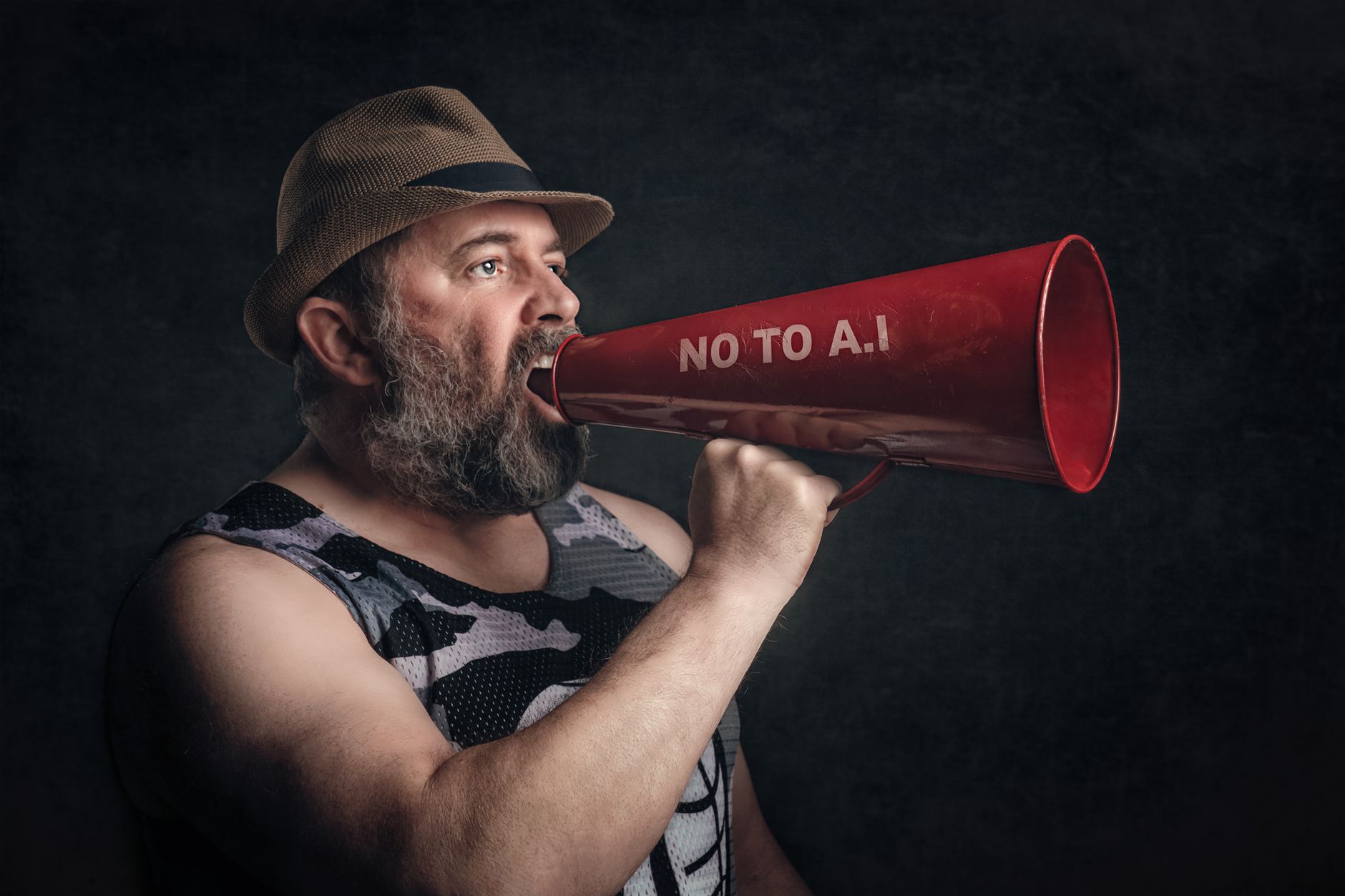

AI regulation concerns are at the forefront as Bill Gates warns about the potential for catastrophic outcomes. His recent statements highlight the urgent need for stronger oversight in the AI sector.
Understanding AI Regulation
The rapid advancement of artificial intelligence has sparked a growing debate surrounding the need for effective regulatory measures. As highlighted by Bill Gates, concerns about AI regulation are becoming increasingly urgent, especially with the potential for catastrophic outcomes. Gates warns that without stringent oversight, AI technologies could lead to devastating consequences, possibly resulting in “a billion deaths.”
Understanding the complexities of AI regulation is crucial for mitigating risks associated with these technologies. Key areas of concern include:
- Safety and Security: Ensuring that AI systems do not pose threats to human life or global stability.
- Ethical Considerations: Addressing biases in algorithms that can lead to discrimination and inequality.
- Accountability: Establishing clear guidelines for who is responsible when AI systems cause harm.
- Transparency: Promoting openness about how AI models operate and make decisions.
As discussions around AI regulation concerns intensify, it is essential for policymakers, technologists, and the public to collaborate in creating frameworks that safeguard against potential harm while fostering innovation. The call for stronger regulation underscores the need for a proactive approach in navigating the future of AI.
Bill Gates’ Warning on AI Risks
In a recent statement, Bill Gates expressed his deep concerns regarding the rapid development of artificial intelligence, highlighting potential risks that could arise without stringent oversight. Gates remarked that if left unchecked, AI could lead to catastrophic outcomes, including the alarming possibility of causing “a billion deaths.” His warning underscores the pressing need for effective AI regulation to mitigate such risks.
During a panel discussion, Gates emphasized that while AI has the potential to revolutionize industries and improve lives, it also poses significant threats that must be addressed. He called for governments and tech companies to collaborate on regulatory frameworks that prioritize safety and ethical considerations.
Key points from Gates’ warning include:
- AI’s capacity to be weaponized, leading to unprecedented levels of destruction.
- The potential for misinformation and manipulation through automated systems.
- The challenge of ensuring AI systems act in alignment with human values.
As discussions around AI regulation concerns intensify, Gates’ insights serve as a critical reminder of the responsibilities that come with technological advancements. His advocacy for stronger regulation may help steer the conversation towards a more secure future.
The Importance of Stronger Oversight
The rapid advancement of artificial intelligence has raised significant AI regulation concerns, prompting experts and industry leaders to call for stronger oversight. As technologies evolve, the potential risks associated with unchecked AI development become increasingly apparent.
Bill Gates, a prominent figure in technology and philanthropy, has voiced his alarm regarding the implications of AI. He suggests that without stringent regulations, we may be heading toward dire outcomes that could affect millions, if not billions, of lives. His warnings resonate with the growing anxiety among researchers and policymakers who fear that inadequate regulation could lead to catastrophic scenarios.
Stronger oversight is essential for several reasons:
- Safety: Ensuring that AI systems are developed and deployed responsibly to prevent harm to individuals and society.
- Accountability: Establishing clear guidelines for developers and companies to be held responsible for the actions of their AI systems.
- Transparency: Promoting open practices that allow for public scrutiny of AI algorithms and their decision-making processes.
As the technology continues to advance, the conversation surrounding AI regulation must evolve, prioritizing comprehensive frameworks that mitigate risks while fostering innovation.
Potential Impact on Society
The rise of artificial intelligence has sparked significant AI regulation concerns, particularly regarding its potential impact on society. Experts warn that without adequate oversight, the consequences could be dire and far-reaching.
One of the primary concerns is the increased risk of job displacement. As AI technologies evolve, many industries may see a shift in workforce dynamics, leading to mass unemployment and economic instability. Additionally, the automation of critical services could result in diminished quality and accessibility, disproportionately affecting vulnerable populations.
Another alarming scenario involves the misuse of AI in warfare and surveillance. The development of autonomous weapons raises ethical questions about accountability and decision-making in combat situations. Furthermore, the deployment of AI for mass surveillance could infringe on privacy rights, leading to an erosion of civil liberties.
Trust in AI systems is also at stake. Biases inherent in algorithms can perpetuate inequality, affecting decisions in areas such as hiring, law enforcement, and lending. This could exacerbate existing societal divisions and foster distrust among communities.
As calls for stronger regulation grow louder, understanding these potential impacts is crucial for shaping a future where AI benefits all of humanity.
Future Directions in AI Policy
As discussions around AI regulation concerns continue to evolve, policymakers are exploring various pathways to ensure the safe and ethical development of artificial intelligence technologies. The emergence of AI has prompted a critical examination of existing frameworks, highlighting the need for comprehensive policies that address the unique challenges posed by these advancements.
Key areas of focus in future AI policy include:
- International Collaboration: Countries must work together to establish global standards, ensuring that AI technologies do not lead to harmful outcomes across borders.
- Transparency Requirements: Implementing regulations that mandate transparency in AI algorithms can help mitigate risks and build public trust in these systems.
- Accountability Measures: Establishing clear accountability for AI systems will ensure that developers and companies are responsible for the consequences of their technologies.
- Ethical Guidelines: Developing ethical frameworks will guide AI research and implementation, balancing innovation with societal well-being.
In conclusion, addressing AI regulation concerns is essential for fostering a safe technological landscape. By prioritizing collaboration, transparency, accountability, and ethics, we can navigate the complexities of AI and safeguard the future of society.
The potential for misuse of AI technology has heightened AI regulation concerns among experts and policymakers alike. As the worst case scenarios unfold, addressing these AI regulation concerns becomes increasingly urgent to ensure public safety and ethical standards.
By Ministerie van Buitenlandse Zaken via Openverse