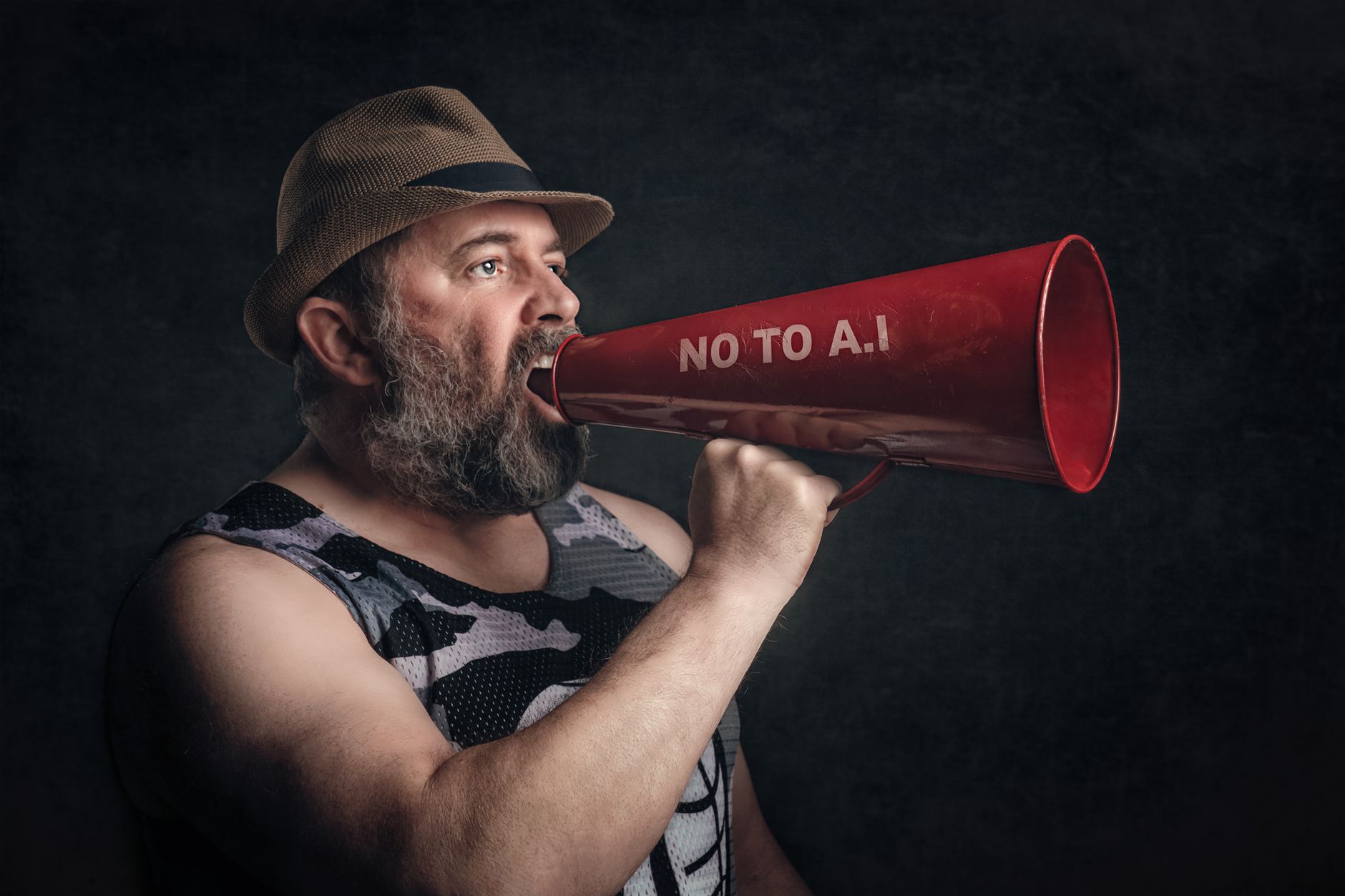
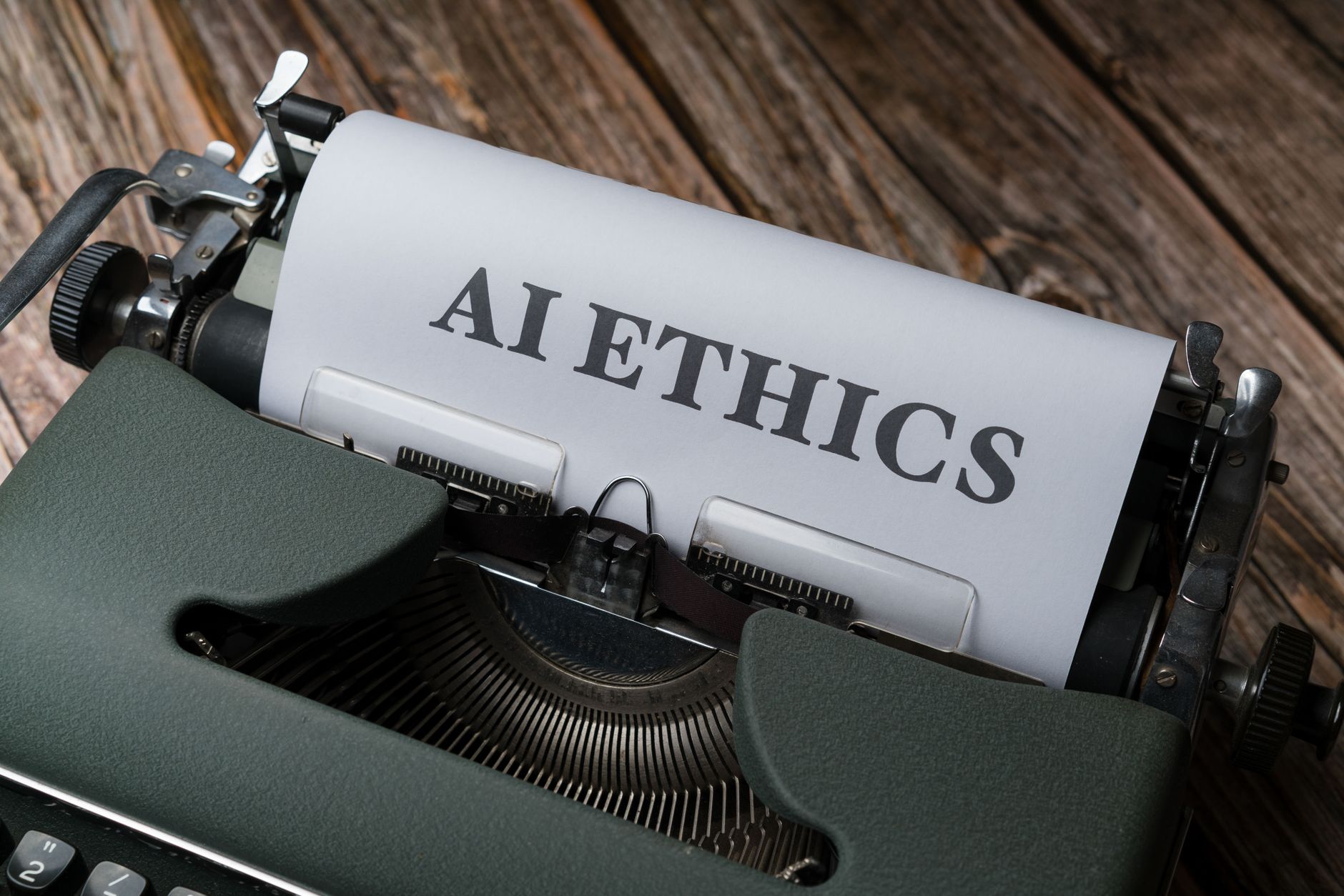
AI content regulations are becoming increasingly important as the landscape of AI creation evolves. With advancements making it easier to produce content, the gap in regulations raises significant concerns.
The Rise of AI Content Creation
The emergence of AI content creation has revolutionized the way businesses approach marketing and communication. With advanced algorithms and machine learning techniques, generating high-quality content has never been easier. Companies can now produce articles, social media posts, and product descriptions in a fraction of the time it would traditionally take.
However, the rapid growth of this technology has raised significant concerns regarding AI content regulations. As AI-generated content becomes more prevalent, lawmakers are struggling to keep pace with the changes. Many argue that regulations are necessary to ensure ethical standards, prevent misinformation, and protect intellectual property rights.
While some businesses embrace the efficiency and cost-effectiveness of AI tools, others worry that stringent regulations may stifle innovation and creativity. The debate continues as the national assembly prepares to review a series of bills aimed at addressing these challenges.
In the meantime, companies are navigating a complex landscape where the benefits of AI content creation are tempered by uncertainty around compliance and legal ramifications. This ongoing tug-of-war between innovation and regulation highlights the need for a balanced approach that fosters growth while protecting essential values.
As the situation develops, stakeholders from various sectors must engage in meaningful dialogue to shape the future of AI content regulations in a way that supports both businesses and society at large.
Current State of AI Regulations
The current landscape of AI content regulations is complex and evolving. As businesses increasingly adopt AI-driven tools for content creation, lawmakers around the globe are struggling to keep pace with technological advancements. The lack of comprehensive regulations has led to a patchwork of varying rules and guidelines, which can create confusion for companies trying to navigate compliance.
In many regions, proposed regulations aim to address issues such as copyright infringement, misinformation, and ethical uses of AI-generated content. However, critics argue that the slow progress in establishing clear frameworks may hinder innovation and stifle business growth. Some of the key areas of concern include:
- Intellectual Property: Determining ownership of AI-generated works remains a contentious issue, with many questioning whether current laws adequately protect creators.
- Transparency: There is a growing call for companies to disclose when content is AI-generated, which could affect consumer trust and engagement.
- Accountability: As AI systems generate more content, the question of who is liable for misinformation or harmful material becomes increasingly pressing.
As the conversation about AI content regulations continues, businesses must stay informed and prepared to adapt. The challenge is striking a balance between fostering innovation and ensuring responsible use of technology.
Impact of Regulations on Businesses
The growing landscape of AI content creation has prompted a wave of proposed regulations aimed at ensuring ethical practices and consumer protection. However, the impact of these regulations on businesses is a topic of significant concern.
Many argue that stringent AI content regulations could stifle innovation and limit opportunities for startups and established companies alike. The burden of compliance may disproportionately affect smaller businesses that lack the resources to navigate complex legal frameworks. As a result, these companies may struggle to compete with larger corporations that can absorb the costs associated with regulatory compliance.
Moreover, the uncertainty surrounding the future of AI content regulations can lead to hesitancy in investment and development. Businesses may delay launching new AI-driven products or services until there is clarity on regulatory requirements, which could hinder growth and technological advancement.
On the other hand, proponents of regulations argue that they are necessary to protect consumers from misleading content and to ensure accountability in AI development. They emphasize that without proper oversight, the potential for misuse of AI-generated content could have serious implications.
- Potential stifling of innovation: Over-regulation may hinder new developments.
- Increased compliance costs: Smaller businesses may find it difficult to comply.
- Investment hesitancy: Uncertainty could delay product launches.
- Consumer protection: Regulations may safeguard against misleading content.
Challenges in Implementing AI Laws
As the landscape of AI content creation evolves, the implementation of AI content regulations poses significant challenges for businesses. Many companies are struggling to navigate the complexities of these emerging laws, which are often vague and subject to interpretation.
One of the primary obstacles is the rapid pace of technological advancement. Regulations tend to lag behind innovations, leaving businesses uncertain about compliance requirements. This uncertainty can stifle creativity and innovation, as companies may hesitate to invest in new AI technologies for fear of potential legal repercussions.
Additionally, the regulatory framework can vary widely from one jurisdiction to another. Businesses operating in multiple regions must grapple with differing regulations, which complicates their ability to maintain a consistent approach to content creation. This fragmentation creates a patchwork of compliance strategies that can be resource-intensive to manage.
Moreover, <>AI content regulations often demand transparency and accountability, which can conflict with the proprietary nature of many AI algorithms. Companies may find it challenging to disclose the inner workings of their systems without compromising competitive advantages.
Lastly, the enforcement of these regulations remains a daunting task. Many regulatory bodies lack the necessary expertise to assess AI technologies effectively, leading to potential misapplications of the law. As businesses navigate these hurdles, the future of AI regulations will continue to be a contentious topic in the industry.
Future of AI Content Regulations
As the landscape of AI content creation continues to evolve, the debate surrounding AI content regulations is becoming increasingly pertinent. Stakeholders, including businesses, policymakers, and consumers, are grappling with the implications of potential regulations on innovation and creativity.
Looking ahead, the future of AI content regulations may hinge on several key factors:
- Adaptability: Regulations must be flexible enough to keep pace with technological advancements. As AI tools become more sophisticated, a static regulatory framework could stifle innovation.
- Global Standards: With AI operating across borders, establishing international standards may be crucial. Collaborative efforts could help ensure that regulations are effective while encouraging global cooperation.
- Focus on Ethics: Emphasizing ethical considerations in AI content creation can lead to a more responsible approach. This includes addressing concerns related to misinformation, bias, and copyright infringement.
- Business Support: Engaging businesses in the regulatory process is essential. By understanding their needs and challenges, regulators can create laws that support growth rather than hinder it.
Ultimately, the future of AI content regulations will require a careful balance between fostering innovation and protecting users. As the regulatory landscape develops, stakeholders must remain engaged to navigate the complexities that lie ahead.
Global Perspectives on AI Policies
As nations grapple with the implications of AI content regulations, differing approaches highlight the complexity of the issue. In Europe, the AI Act is a landmark effort aimed at establishing a comprehensive framework to address the ethical and legal challenges posed by AI technologies. The legislation seeks to create a balanced environment that fosters innovation while protecting consumers. However, some businesses argue that stringent regulations could stifle creativity and limit their ability to leverage AI for content creation.
Across the Atlantic, the United States has taken a more fragmented approach. Various states are developing their own regulations, leading to a patchwork of laws that can be confusing for companies operating in multiple jurisdictions. This inconsistency raises concerns about compliance and may deter investment in AI technologies. Advocates for regulation argue that clear guidelines are essential to ensure accountability and transparency in AI-generated content.
In Asia, countries like China are rapidly advancing their AI capabilities but are also implementing strict controls over AI content. These regulations are aimed at preventing misinformation and ensuring that AI technologies align with national interests. However, critics warn that such measures could lead to censorship and restrict freedom of expression.
As global perspectives on AI policies continue to evolve, the conversation surrounding AI content regulations will undoubtedly shape the future of the industry, influencing both innovation and ethical considerations.
Conclusion: Balancing Innovation and Regulation
In conclusion, achieving a balance between fostering innovation and implementing effective AI content regulations remains a complex challenge. As businesses navigate the evolving landscape of AI, they must consider the implications of compliance while also harnessing the potential for growth and creativity that these technologies offer.
The rapid advancement of AI content creation tools has led to a surge in opportunities for companies, enabling them to produce high-quality content efficiently. However, the lag in regulations has left many organizations grappling with uncertainty regarding the legal implications of their AI-generated outputs. This uncertainty can stifle innovation, as businesses may hesitate to invest in AI technologies without clear guidance on the regulatory framework.
Moreover, the potential for misuse of AI-generated content raises ethical concerns that cannot be overlooked. Striking a balance between protecting consumers and encouraging technological advancement is paramount. Policymakers must work collaboratively with industry leaders to craft regulations that not only safeguard against potential harms but also promote responsible innovation.
As we move forward, it is essential for all stakeholders to engage in a dialogue that prioritizes the benefits of AI while addressing the risks. Only through a cooperative approach can we hope to establish a regulatory environment that supports sustainable growth in the realm of AI content creation, ultimately benefiting businesses and consumers alike.
Photo by Markus Winkler on Pexels