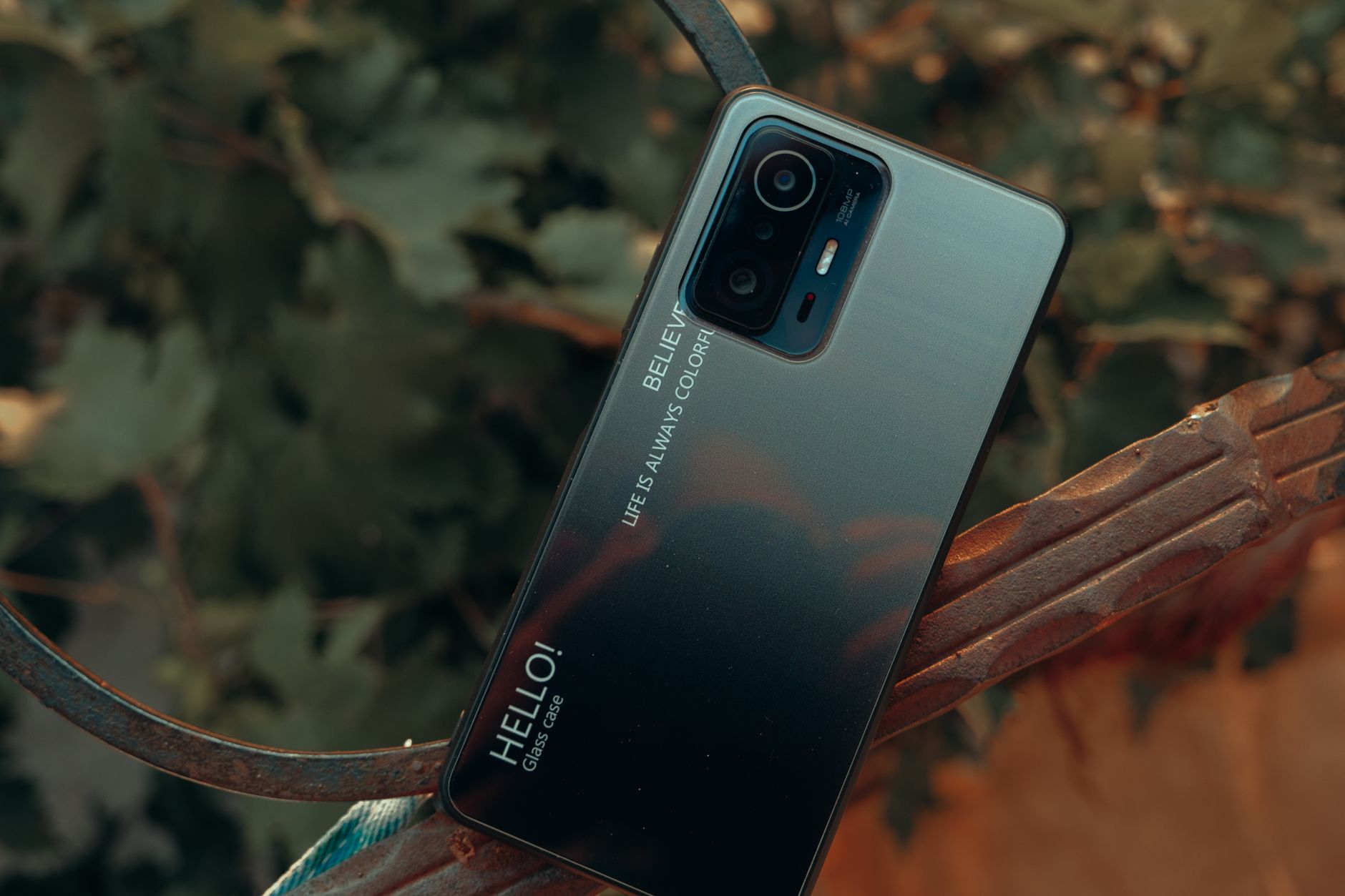
Lava Smartphone Price Hike has been announced, with new prices set to take effect on November 15. This change will impact consumers looking to purchase Lava devices.
Understanding the Lava Smartphone Price Hike
The recent announcement regarding the Lava smartphone price hike has raised eyebrows among consumers and industry experts alike. Effective November 15, Lava International Ltd. will implement new pricing for several of its popular smartphone models. This decision comes in response to various factors affecting the market, including rising component costs and inflationary pressures.
According to the company, the price adjustments are necessary to maintain product quality and continue investing in innovative technology. As a result, customers can expect to see increases ranging from 5% to 10% across different devices.
Some of the key models that will see a price adjustment include:
- Lava Agni 2 5G
- Lava Blaze 2 5G
- Lava X2
- Lava Z3
While the company emphasizes that the hike is essential for sustaining its operations, consumers are left weighing their options. Many are questioning whether the increase will impact their purchasing decisions or if they will need to consider alternative brands as prices rise.
As the effective date approaches, it will be interesting to see how the market reacts to the changes.
Impact on Consumers and Sales
The recent announcement regarding the Lava Smartphone Price Hike has raised concerns among consumers and industry analysts alike. As the new prices take effect on November 15, many potential buyers are reevaluating their purchasing decisions.
With the increase in prices, consumers are likely to experience a shift in their buying behavior. Industry experts predict that some may delay their purchases, waiting for potential discounts or promotions that could offset the rising costs. Others may opt for alternative brands that offer comparable features at lower prices.
Additionally, the price hike may affect Lava’s overall sales volume. The smartphone market is highly competitive, and any significant increase in price could lead to a loss of market share. Analysts have noted that even a slight increase could deter budget-conscious consumers from choosing Lava over other brands.
In response to the price hike, Lava has stated that the decision was necessary to maintain product quality and innovation. However, the long-term effects on customer loyalty and brand perception remain to be seen, as consumers weigh the value of Lava smartphones against their newly adjusted prices.
Comparing Prices with Competitors
As Lava smartphones adjust their pricing strategy, it is essential to consider how these new prices compare with competitors in the market. The Lava Smartphone Price Hike, effective November 15, brings their models closer to those offered by other popular brands.
Consumers may find the following comparisons helpful:
- Lava Model A: Previously priced at $150, now at $170, competing with similar models from Brand X and Brand Y, which are priced between $160 and $180.
- Lava Model B: Increased from $200 to $230, aligning with offerings from Brand Z, which has recently raised prices for its devices as well.
- Lava Model C: Now priced at $300, it remains competitive with high-end models from Brand A and Brand B, which are also seeing price adjustments.
Despite the Lava Smartphone Price Hike, many consumers may still prefer Lava for its unique features and local brand appeal. However, the question remains whether these new prices will deter potential buyers or encourage them to explore alternatives.
Reasons Behind the Price Increase
The recent announcement of a Lava smartphone price hike has raised questions among consumers and industry experts alike. Several factors have contributed to this decision, which the company outlined in a recent press release.
- Increased Production Costs: A rise in the prices of raw materials and components has significantly impacted the manufacturing process. This escalation in costs has forced Lava to adjust its pricing structure.
- Market Competition: While Lava aims to remain competitive, the need to invest in new technologies and features has necessitated a reevaluation of pricing. The company believes that this hike will allow them to innovate further.
- Economic Factors: Inflation and fluctuating currency values have also played a role in this decision. The overall economic landscape has prompted many companies, including Lava, to reassess their pricing strategies.
- Consumer Demand: With an increase in demand for smartphones, Lava aims to balance their supply chain while ensuring that they can meet consumer expectations for quality and performance.
As a result, the Lava smartphone price hike is seen not merely as a financial adjustment but as a strategic move to sustain growth and development in a competitive market.
Future Trends in Smartphone Pricing
The smartphone market is constantly evolving, and pricing strategies are a critical aspect of this evolution. As companies like Lava adjust their pricing structures, it raises questions about future trends in smartphone pricing across the industry. The recent Lava Smartphone Price Hike, effective November 15, indicates a shift that may influence how other manufacturers approach their own pricing.
Several factors could dictate the direction of smartphone prices in the coming months:
- Economic Conditions: Global economic shifts, including inflation and supply chain disruptions, may lead to increased production costs for all manufacturers.
- Technological Advancements: As new technologies emerge, companies may justify higher prices based on enhanced features and capabilities.
- Consumer Demand: If consumers continue to prioritize high-spec devices, brands may feel compelled to raise prices to meet expectations.
- Market Competition: Aggressive pricing by competitors could lead to a price war, potentially offsetting any hikes with competitive offers.
Ultimately, the Lava Smartphone Price Hike serves as a reminder of the dynamic nature of the smartphone industry, where consumer preferences and market forces will shape future pricing strategies.