
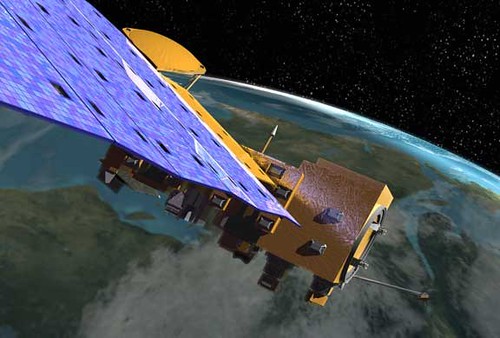
The methane observation satellite collaboration marks a significant milestone for Naraspacetechnology. This partnership with Korea’s GYEONGGISat-2A enhances satellite communication and environmental monitoring.
Overview of GYEONGGISat-2A
The GYEONGGISat-2A represents a significant advancement in environmental monitoring as Korea’s first dedicated methane observation satellite. Launched recently, this satellite is equipped with state-of-the-art sensors designed to detect and quantify methane emissions from various sources.
Its primary objectives include:
- Real-time Monitoring: GYEONGGISat-2A offers continuous observation of methane levels in the atmosphere, providing essential data for climate scientists.
- Emission Tracking: The satellite can identify specific emission sources, helping governments and organizations develop targeted mitigation strategies.
- Data Integration: With its two-way communication capabilities, GYEONGGISat-2A seamlessly transmits data back to Earth, facilitating timely analysis and response.
Overall, Naraspacetechnology’s successful link with GYEONGGISat-2A underlines the importance of satellite technology in addressing environmental challenges. This methane observation satellite is expected to play a crucial role in enhancing our understanding of greenhouse gas emissions and their impact on climate change.
Importance of Methane Monitoring
Methane monitoring is crucial in addressing climate change and reducing greenhouse gas emissions. The methane observation satellite GYEONGGISat-2A plays a significant role in this effort by providing real-time data on methane levels in the atmosphere. This satellite enables scientists and policymakers to track methane emissions from various sources, including agriculture, landfills, and fossil fuel extraction.
Accurate monitoring can lead to more effective regulations and strategies aimed at mitigating methane emissions. As methane is a potent greenhouse gas, its reduction is vital for achieving climate targets. The insights gained from the observations can help identify emission hotspots, allowing for targeted interventions.
Furthermore, the data collected by GYEONGGISat-2A can support international efforts in climate agreements and enhance collaboration between nations. By establishing a two-way link with Naraspacetechnology, the satellite ensures that critical information is rapidly disseminated, thereby strengthening the global response to climate change.
Naraspacetechnology’s Role
Naraspacetechnology has played a crucial role in the advancement of methane monitoring through its successful establishment of a two-way link with Korea’s first methane observation satellite, GYEONGGISat-2A. This innovative collaboration highlights the company’s commitment to enhancing environmental monitoring capabilities.
The integration of Naraspacetechnology’s systems with the GYEONGGISat-2A enables real-time data transmission, allowing for more accurate tracking of methane emissions. By leveraging advanced satellite technologies, Naraspacetechnology ensures that critical data related to greenhouse gas emissions is readily available for analysis and action.
This partnership not only underscores the importance of satellite technology in combating climate change, but it also positions Naraspacetechnology as a leader in the field of environmental monitoring. As global efforts intensify to mitigate the impacts of climate change, the contributions of companies like Naraspacetechnology will be instrumental in achieving sustainable solutions.
- Real-time data transmission
- Accurate tracking of methane emissions
- Leadership in environmental monitoring
Technological Innovations in Space
Naraspacetechnology has made significant strides in enhancing the capabilities of the GYEONGGISat-2A, Korea’s first methane observation satellite. This satellite is equipped with advanced sensors designed to detect and monitor methane emissions with unprecedented accuracy. The integration of state-of-the-art technology allows for real-time data collection, which is crucial for understanding the environmental impact of methane in the atmosphere.
One of the key innovations includes a sophisticated algorithm that processes satellite data, enabling researchers to identify methane leak sources more effectively. This two-way communication link established by Naraspacetechnology ensures that data can be transmitted swiftly back to Earth, facilitating quick responses to potential environmental threats.
Furthermore, the collaboration between Naraspacetechnology and various environmental agencies underscores the importance of technological innovations in space. These efforts are aimed not only at monitoring greenhouse gases but also at providing actionable insights to combat climate change.
- Advanced sensors for accurate detection
- Real-time data collection
- Two-way communication link for swift data transmission
Future of Satellite Communication
The future of satellite communication is poised for significant advancements, particularly with the successful establishment of a two-way link between Naraspacetechnology and Korea’s first methane observation satellite, GYEONGGISat-2A. This development marks a pivotal moment in environmental monitoring and data collection, enabling real-time insights into methane emissions, which are crucial for addressing climate change.
As we look ahead, several key trends are expected to shape the landscape of satellite communication:
- Increased Collaboration: Partnerships between private companies and governmental agencies will enhance the capabilities of satellite technology.
- Enhanced Data Analytics: Advanced algorithms and AI will improve the analysis of methane observation satellite data, leading to better decision-making.
- Broader Accessibility: The democratization of satellite data will allow wider access for researchers and policymakers, fostering greater transparency.
- Innovation in Miniaturization: Smaller, more efficient satellites will reduce costs and improve deployment logistics.
These trends signal a promising future where satellite technology plays an integral role in combating environmental challenges.
Impact on Environmental Research
The launch of the methane observation satellite, GYEONGGISat-2A, marks a significant advancement in environmental research. This innovative satellite enables researchers to monitor methane emissions with unparalleled precision, providing crucial data that can influence climate policy and mitigation strategies.
The satellite’s capabilities allow for real-time tracking of methane sources, which is vital in understanding the dynamics of greenhouse gas emissions. By identifying hotspots of methane release, scientists can take targeted actions to reduce emissions effectively. The ability to observe methane concentrations from space enhances the scope of environmental studies, facilitating a more comprehensive understanding of its impact on global warming.
Furthermore, the data collected from GYEONGGISat-2A can support international collaboration in addressing climate change. Researchers and policymakers can utilize this information to develop more effective regulations and initiatives aimed at curbing methane emissions. As Naraspacetechnology continues to innovate, the implications of the methane observation satellite will resonate throughout various sectors concerned with environmental sustainability.
Collaboration Between Nations
The successful establishment of a two-way link between Naraspacetechnology and Korea’s first methane observation satellite, GYEONGGISat-2A, marks a significant milestone in international collaboration aimed at addressing climate change. This partnership showcases how nations can unite their resources and expertise to tackle pressing environmental issues.
Through this collaboration, scientists and researchers from different countries can gain access to critical data collected by the methane observation satellite. This data is essential for understanding methane emissions, which are a potent greenhouse gas contributing to global warming.
Key benefits of this international cooperation include:
- Data Sharing: Countries can share insights and methodologies to enhance monitoring capabilities.
- Joint Research Initiatives: Collaborative projects can be initiated to explore innovative solutions for methane reduction.
- Enhanced Technology Transfer: Nations can exchange technological advancements to improve satellite functionalities.
Ultimately, this partnership embodies a shared commitment to sustainability and environmental stewardship on a global scale.
By NASA Goddard Photo and Video via Openverse