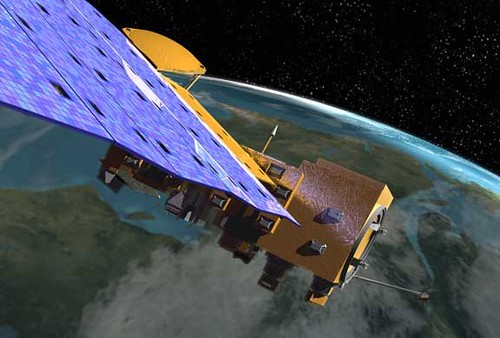
The infrared satellite sensor is a groundbreaking development in space tracking technology. Anduril is advancing this field with its innovative solutions designed for orbital night monitoring.
What is an infrared satellite sensor?
An infrared satellite sensor is a sophisticated technology designed to detect and monitor objects in space, particularly during nighttime conditions when traditional optical sensors may struggle to function effectively. These sensors utilize infrared wavelengths to capture thermal emissions from objects, allowing them to identify and track satellites and debris in orbit without the dependence on visible light.
The primary advantage of infrared satellite sensors lies in their ability to operate in low-light environments. This capability makes them particularly valuable for military and space exploration applications, where constant vigilance is necessary, even in the absence of sunlight. By analyzing heat signatures, these sensors can distinguish between different types of space objects, enhancing the accuracy of tracking systems.
Moreover, infrared satellite sensors are increasingly being integrated into advanced tracking systems. They can provide real-time data that supports mission planning and operational decisions for defense and scientific agencies. As space becomes more congested with satellites and debris, the significance of these sensors is growing, prompting companies like Anduril to innovate and expand their capabilities in space tracking.
In conclusion, the infrared satellite sensor represents a leap forward in tracking technology, providing essential information for a safer and more efficient utilization of space. Its unique features make it a compelling choice in the quest for effective space monitoring solutions.
How does Anduril’s technology work?
Anduril’s technology leverages advanced infrared satellite sensors to enhance space tracking capabilities, particularly during periods of low visibility such as nighttime. The core functionality of these sensors lies in their ability to detect thermal radiation emitted by objects in space, making them effective in identifying satellites and other orbiting debris that may not be easily visible through traditional optical methods.
The infrared satellite sensor operates by capturing heat signatures, which are unique to each object based on its material composition and temperature. This allows for precise tracking and monitoring of various space assets, including:
- Active satellites: These are operational satellites that provide communication, weather data, and more.
- Defunct satellites: Non-operational objects that remain in orbit, posing potential collision risks.
- Space debris: Fragmented material from previous missions or accidental collisions that can endanger operational spacecraft.
Through a combination of sophisticated algorithms and machine learning, Anduril’s system can analyze the data collected by the infrared satellite sensor to predict trajectories and potential collisions. This not only improves situational awareness for space operators but also contributes to the overall safety of space exploration and satellite operations. The integration of such technology marks a significant advancement in the realm of space surveillance and tracking, particularly in challenging conditions that have historically hampered visibility.
Benefits of infrared satellite sensors
Infrared satellite sensors offer a range of benefits that make them an appealing choice for space tracking solutions. These advanced sensors leverage infrared technology to detect heat signatures, providing critical information about objects in space, even during the darkness of night.
Some key advantages of infrared satellite sensors include:
- Enhanced Detection Capabilities: Infrared satellite sensors can detect objects that are not visible through traditional optical systems, such as those that may be obscured by clouds or atmospheric conditions.
- 24/7 Monitoring: Unlike conventional imaging systems that rely on daylight, infrared sensors function effectively at all times, ensuring continuous surveillance of space.
- Improved Tracking Accuracy: By identifying heat signatures, these sensors can provide more precise tracking of satellites and other objects in orbit, leading to better data for analysis and decision-making.
- Cost-Effectiveness: With the capability to monitor vast areas and multiple objects simultaneously, infrared satellite sensors can reduce the need for multiple tracking systems, lowering operational costs.
- Adaptability: These sensors can be integrated with existing satellite systems, allowing for a seamless upgrade to enhance capabilities without complete overhauls.
As the demand for reliable space tracking solutions grows, the advantages of infrared satellite sensors position them as a leading technology in the field.
Comparing space tracking technologies
In the rapidly evolving field of space tracking, several technologies are vying for dominance. Each method offers unique advantages, but the infrared satellite sensor stands out for its ability to operate effectively in low-light conditions, which is crucial for monitoring satellites during nighttime when traditional optical systems struggle.
Here are some key space tracking technologies currently in use:
- Radar Systems: These systems send out radio waves to detect objects. While effective during the day, they can be hindered by atmospheric conditions.
- Optical Sensors: Relying on visible light, optical sensors provide high-resolution images of space objects. However, they are less effective at night or in cloudy conditions.
- Radio Frequency (RF) Tracking: This method uses RF signals to identify and track satellites. It can be effective, but is often limited by interference and signal strength.
- Infrared Satellite Sensors: These sensors detect heat signatures from space objects, allowing for continuous tracking regardless of lighting conditions. Their ability to function in darkness makes them a game-changer in the field.
As demand for reliable space tracking grows, the adoption of infrared satellite sensors may provide a more comprehensive solution, especially for applications requiring nighttime visibility.
Future of satellite monitoring
The future of satellite monitoring is poised for significant advancements, particularly with the integration of infrared satellite sensors. These sensors offer a promising solution for tracking satellites and other objects in orbit, especially during periods of low visibility such as nighttime or adverse weather conditions.
As the demand for reliable space tracking increases, the capabilities of infrared technology are expected to evolve. This evolution could lead to enhanced accuracy and responsiveness in satellite surveillance systems. Infrared satellite sensors provide unique advantages, including:
- Improved Detection: Infrared sensors can detect heat signatures, making it easier to identify objects against the cold backdrop of space.
- All-Weather Capability: Unlike traditional optical sensors, infrared technology is less affected by cloud cover or darkness, ensuring continuous monitoring.
- Cost-Effectiveness: As technology advances, the cost of deploying infrared sensors is likely to decrease, making them more accessible for various applications.
Moreover, as governments and private companies alike invest in satellite technology, the reliance on advanced infrared satellite sensors will likely become a cornerstone of space tracking strategies. This shift not only promises enhanced monitoring capabilities but also opens new avenues for research and development, paving the way for innovations that can transform how we understand and utilize space infrastructure.
Challenges in space tracking
The advancement of infrared satellite sensors has undoubtedly revolutionized space tracking, yet several challenges persist that could hinder their widespread adoption and effectiveness. One significant challenge is the high operational costs associated with launching and maintaining infrared satellites. These expenses can limit access for smaller organizations or countries aiming to enhance their space monitoring capabilities.
Another critical issue is the data processing requirements. Infrared satellite sensors generate vast amounts of data, necessitating robust computational resources and sophisticated algorithms to analyze this information effectively. Without the infrastructure to manage and interpret this data, the true potential of infrared technology may remain untapped.
Moreover, environmental factors can impact the performance of infrared satellite sensors. Atmospheric conditions, such as clouds and humidity, can obstruct infrared wavelengths, limiting their effectiveness during certain periods. This reliance on favorable weather conditions raises concerns about the reliability of data gathered by these sensors.
Finally, there is the risk of interference from other space assets. As more countries and private entities launch satellites into orbit, the potential for signal disruption increases, complicating the task of accurate tracking. Addressing these challenges will be crucial for the continued evolution and effectiveness of infrared satellite sensors in the field of space tracking.
Anduril’s role in space innovation
Anduril Industries has emerged as a key player in the realm of space innovation, particularly through its development of the infrared satellite sensor. This cutting-edge technology enhances the capability to monitor objects in space, especially during periods of limited visibility, such as nighttime. By leveraging advanced infrared detection techniques, Anduril aims to provide a comprehensive solution for space tracking that addresses the challenges posed by traditional optical sensors.
The company’s commitment to innovation is evident in its strategic partnerships with various aerospace organizations. These collaborations allow Anduril to refine its technology and ensure that it meets the rigorous demands of modern space surveillance. Furthermore, the integration of artificial intelligence within the infrared satellite sensor enables real-time data analysis, significantly improving response times in critical situations.
As the demand for reliable space monitoring continues to grow, Anduril’s infrared satellite sensor stands out as a promising solution. The company is not only focused on enhancing military applications but is also exploring civilian uses, which could revolutionize industries such as agriculture and disaster management.
With ongoing advancements and a clear vision for the future, Anduril is positioning itself at the forefront of space technology, paving the way for a new era in satellite monitoring that could redefine how we track and understand our orbital environment.
Industry reactions to new technology
The introduction of the infrared satellite sensor has sparked diverse reactions across the space technology industry. Many experts are optimistic about its potential to enhance monitoring capabilities, especially during nighttime operations. According to Dr. Emily Carter, a renowned aerospace engineer, “The infrared satellite sensor represents a significant leap forward in our ability to detect and track objects in space, particularly when visibility is limited.”
However, not all feedback has been overwhelmingly positive. Some industry veterans express concerns regarding the cost-effectiveness of deploying this new technology. James Liu, a senior analyst at SpaceTech Innovations, stated, “While the infrared satellite sensor offers advanced features, its implementation may strain budgets, especially for smaller organizations.”
Additionally, there are discussions about the long-term implications of relying on infrared technology. Maria Gonzalez, a leading researcher in satellite communications, emphasized the need for a balanced approach: “It’s crucial that we consider a multifaceted strategy that incorporates various technologies rather than putting all our resources into a single solution.”
Despite these concerns, the overall sentiment leans toward embracing the infrared satellite sensor as a valuable tool in the ongoing evolution of space tracking. As the industry continues to adapt to new innovations, the potential applications of this technology may redefine how we monitor our orbital environment.
The infrared satellite sensor offers unique advantages in detecting heat signatures from various sources, making it a powerful tool for monitoring environmental changes. As researchers continue to refine the technology, the infrared satellite sensor may indeed become the best space tracking solution available.
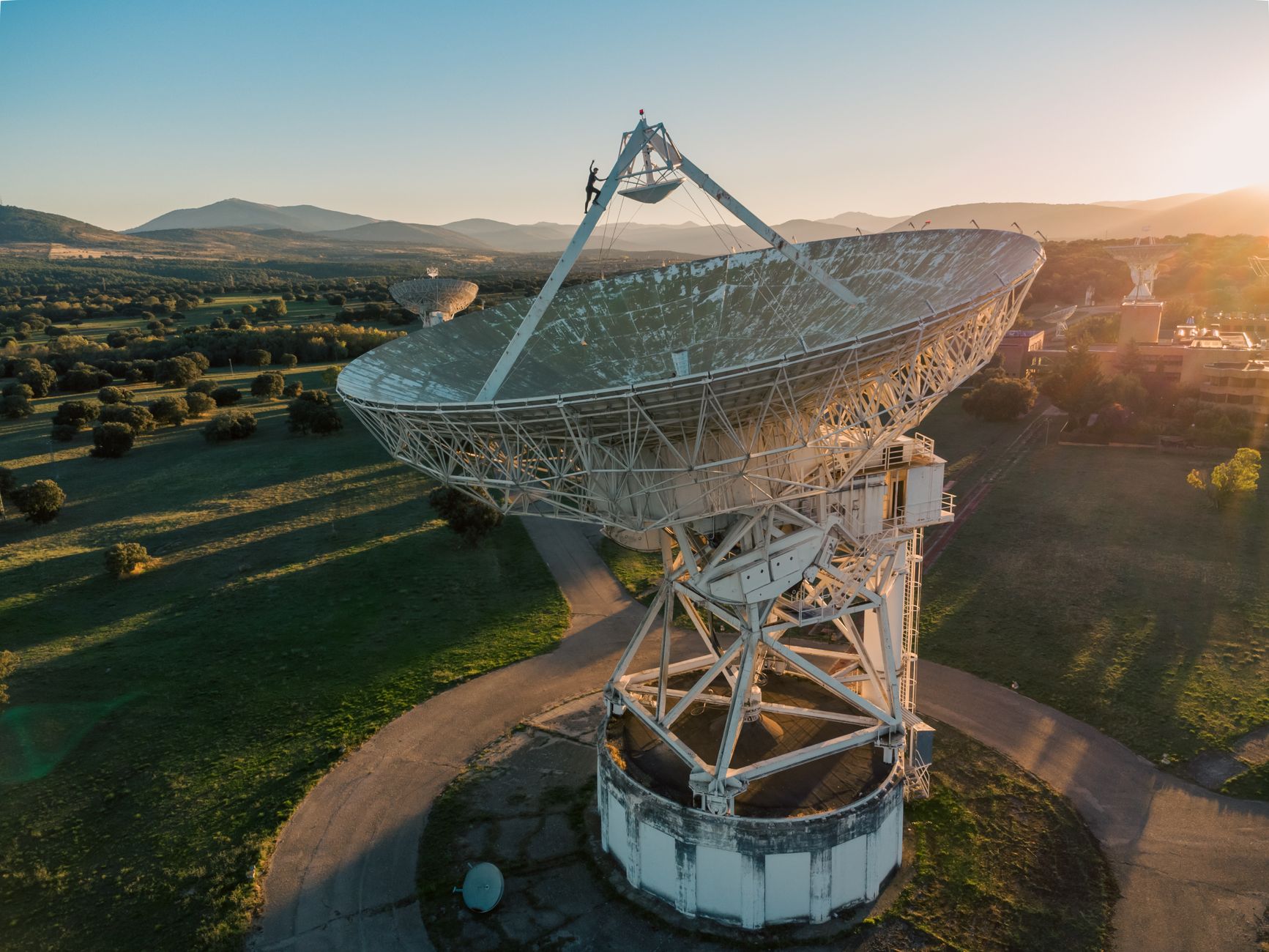
Photo by Alejandro De Roa on Pexels