
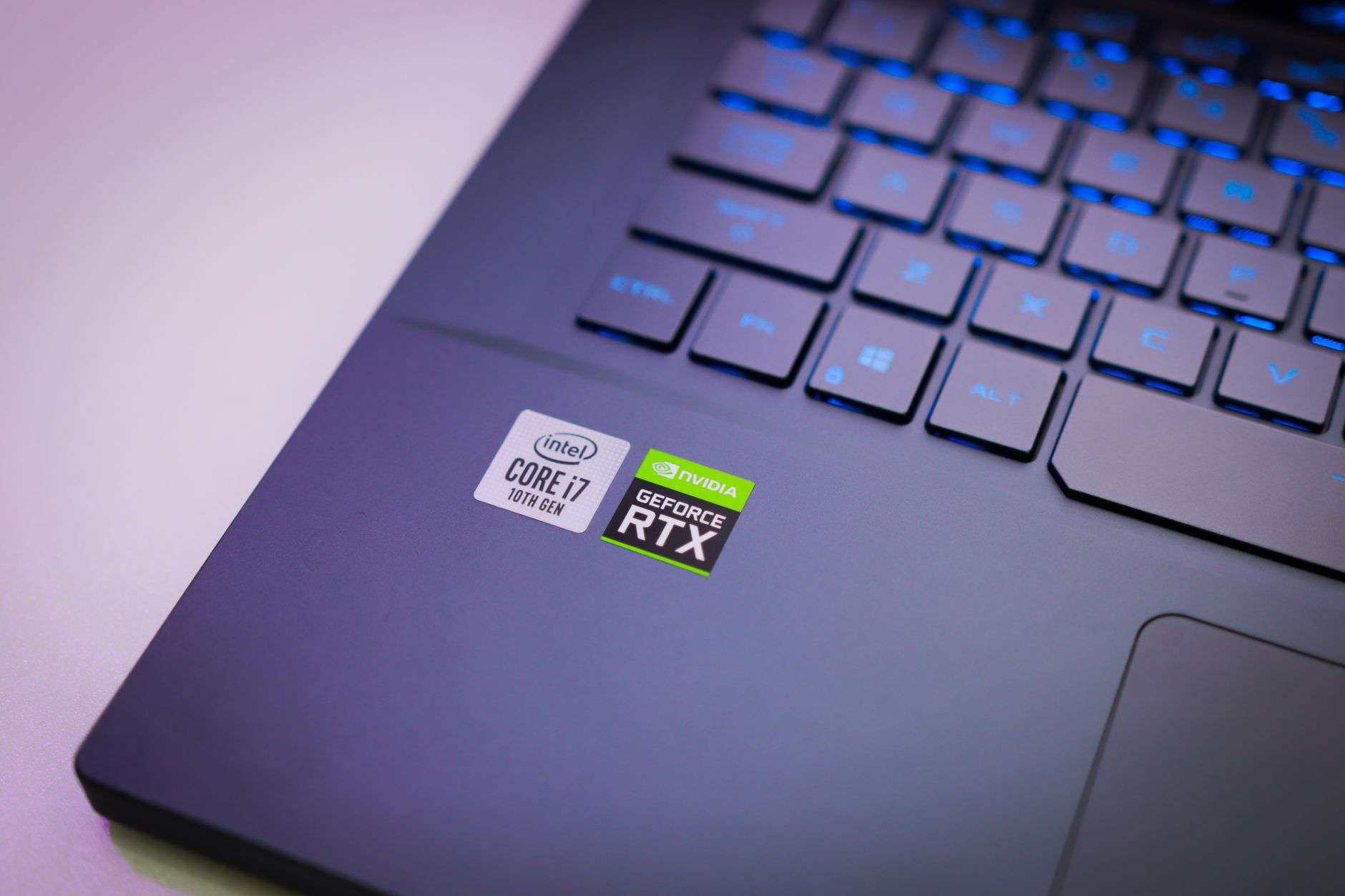
CPU price increase is a concerning trend for consumers and tech enthusiasts alike. Major companies like Intel, Qualcomm, and AMD have raised their prices, driven by rising foundry costs.
Understanding the CPU Price Increase
The recent trend in the technology market has seen major manufacturers like Intel, Qualcomm, and AMD implementing a significant CPU price increase. This shift can be attributed to a combination of rising foundry costs and supply chain disruptions that have affected production capabilities.
Several factors contribute to the current landscape of CPU pricing:
- Increased Manufacturing Costs: The cost of materials and labor in semiconductor manufacturing has risen, prompting companies to pass these expenses onto consumers.
- Supply Chain Challenges: Global shortages in components and logistics issues have led to limited availability of CPUs, further driving up prices.
- Demand Surge: With the rise of remote work, gaming, and data processing needs, the demand for high-performance CPUs has surged, allowing manufacturers to justify higher prices.
While the CPU price increase may seem daunting for consumers and businesses alike, it is essential to evaluate whether the benefits of advanced processors justify the higher costs. As technology continues to evolve, the performance gains offered by these newer CPUs may outweigh the financial burden in the long run.
Impact of Foundry Costs on Prices
The recent CPU price increase has raised questions among consumers and industry experts alike, particularly regarding the impact of foundry costs on final pricing. As semiconductor manufacturers like Intel, Qualcomm, and AMD face escalating production expenses, the ripple effects are beginning to surface.
Several factors contribute to the rising foundry costs:
- Raw Material Shortages: The ongoing shortages in essential materials have led to inflated prices, directly affecting production budgets.
- Increased Labor Costs: As skilled labor becomes more difficult to secure, manufacturers are compelled to offer higher wages, further driving up costs.
- Technological Advancements: While investing in cutting-edge technology is crucial for competitiveness, it also requires substantial financial outlay that can be passed on to consumers.
As companies grapple with these rising expenses, the decision to increase CPU prices seems inevitable. Industry analysts suggest that while some consumers may view these hikes as excessive, others may recognize the necessity behind them. Ultimately, the long-term viability of the market will depend on how well manufacturers manage these costs without alienating their customer base.
Intel’s Response to Rising Costs
In response to the ongoing challenges posed by rising foundry costs, Intel has taken significant steps to adjust its pricing strategy. The company recently announced a CPU price increase across several of its product lines, a move that reflects the broader trend within the semiconductor industry.
Intel’s CEO emphasized the necessity of this decision, stating that the increased costs of raw materials and manufacturing have made it imperative to recalibrate their pricing structure. This shift aims not only to maintain profitability but also to ensure that the company can continue investing in research and development to innovate future products.
Intel is not alone in this endeavor; competitors like Qualcomm and AMD have also raised prices, indicating a collective response to the economic pressures affecting the entire sector. Industry analysts suggest that these price hikes could lead to a ripple effect, impacting consumers and businesses alike as they adjust their budgets for computing needs.
Moreover, Intel has committed to enhancing the value proposition of its offerings, promising to deliver improved performance and efficiency with the updated models. As the market navigates these changes, consumers will need to weigh the benefits of upgraded technology against the implications of increased costs.
Qualcomm and AMD Price Strategies
The recent trends in the semiconductor industry have seen major players like Qualcomm and AMD adjusting their pricing strategies in response to the ongoing CPU price increase. Both companies are grappling with rising foundry costs that are driving up production expenses. As a result, they have had to make critical decisions regarding their product pricing to maintain profitability.
Qualcomm has opted for a selective price increase, focusing primarily on its high-end processors. This strategy allows the company to protect its premium market segment while remaining competitive in the mid-range category. Analysts predict that this approach may help Qualcomm sustain its market share despite the fluctuations in CPU pricing.
On the other hand, AMD has implemented a more aggressive pricing model. By increasing prices across a broader range of products, AMD aims to capitalize on the growing demand for high-performance computing solutions. This move raises concerns among consumers and businesses regarding the overall affordability of AMD’s offerings.
As these companies navigate the complexities of the current market, the CPU price increase remains a significant challenge that could reshape the competitive landscape in the tech industry.
Consumer Reactions to Price Hikes
As the news of the CPU price increase spreads, consumers are expressing a mix of frustration and resignation. Many tech enthusiasts are voicing their concerns on various online platforms, highlighting how the rising costs impact their purchasing decisions. Some consumers feel that the value of new CPUs may not justify the increased prices, leading to a sense of disillusionment with the market.
In response to these price hikes, several buyers are reconsidering their upgrade timelines:
- Waiting for Sales: Many consumers plan to delay purchases in hopes of upcoming sales or discounts that might mitigate the financial impact of the CPU price increase.
- Exploring Alternatives: Some are looking into older models or even competing brands that may offer more competitive pricing.
- Increased Demand for Budget Options: The need for more budget-friendly alternatives has surged, with users seeking value without compromising performance.
As discussions continue, the overall sentiment suggests that consumers are eager for transparency and fair pricing. The industry’s response to consumer feedback could play a crucial role in shaping future strategies and maintaining customer loyalty.
Future Trends in CPU Pricing
As the technology landscape continues to evolve, future trends in CPU pricing are likely to be influenced by several key factors. Industry analysts predict that the ongoing CPU price increase may stabilize in the short term, but potential fluctuations could emerge based on global supply chain dynamics.
One significant factor is the competition among major manufacturers. Companies like Intel, Qualcomm, and AMD are continuously innovating to capture market share, which may lead to varying pricing strategies. A few trends to watch include:
- Technological Advancements: New manufacturing techniques and materials could reduce production costs, potentially lowering CPU prices.
- Market Demand: As consumer demand for high-performance computing rises, manufacturers may adjust their pricing strategies accordingly.
- Geopolitical Factors: Trade policies and international relations can impact supply chains, affecting overall costs.
- Environmental Regulations: Stricter regulations may lead to increased production costs, influencing CPU pricing.
While the current trends suggest a cautious outlook on price stability, the CPU market remains unpredictable. Companies will need to navigate these challenges carefully to maintain competitiveness while addressing consumer concerns about rising prices.
The recent CPU price increase has left many consumers wondering if the benefits of upgraded performance justify the added cost. As manufacturers continue to innovate, the CPU price increase may lead to more powerful and efficient processors in the long run.
Photo by Foysal Ahmed on Pexels