
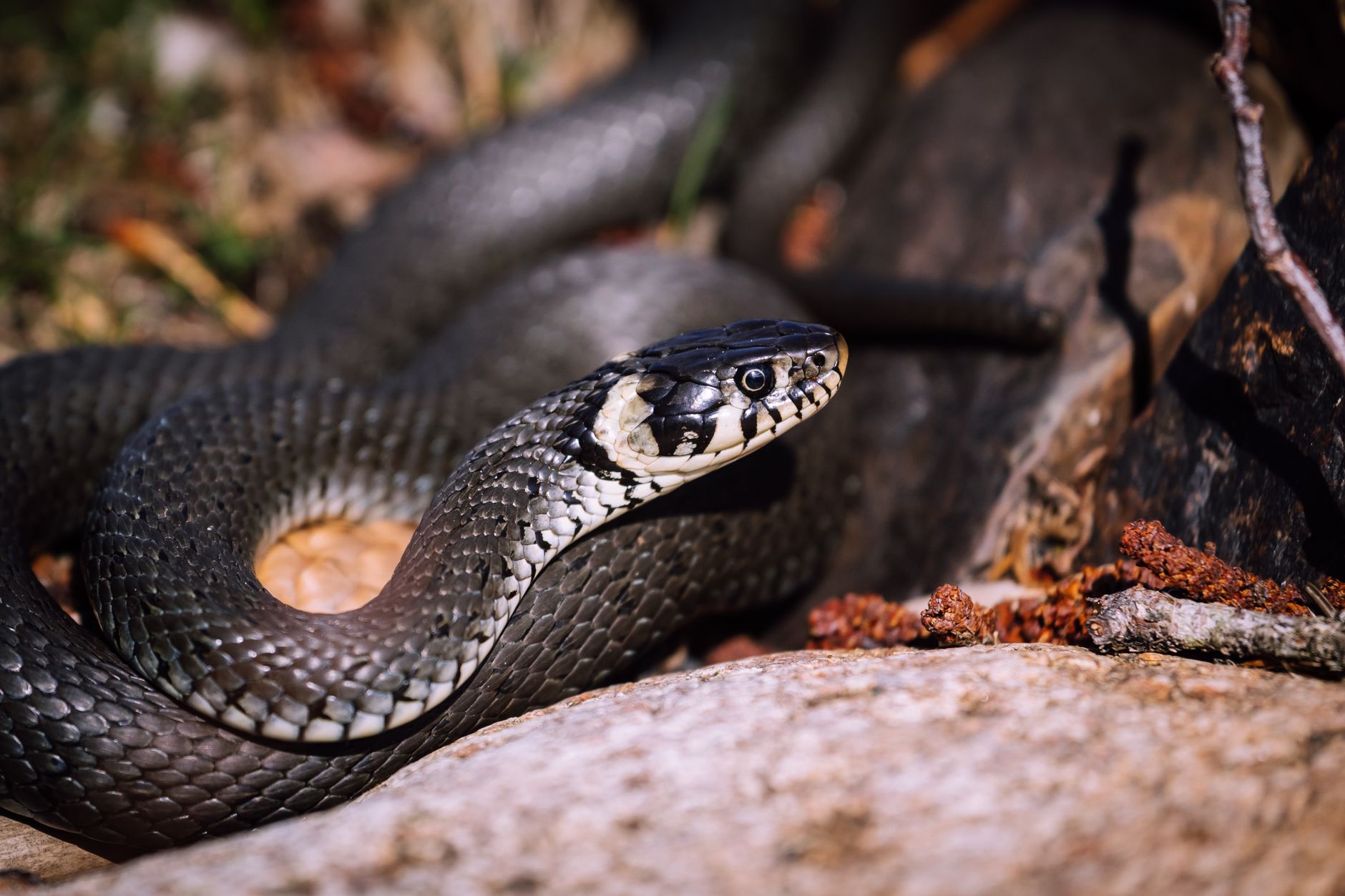
Snake escape predators showcases a remarkable incident where a rattlesnake dashed away at 9mph to evade threats.
Understanding Snake Behavior in the Wild
Snakes have evolved a variety of fascinating behaviors to enhance their chances of survival in the wild. Understanding these behaviors can shed light on how snakes effectively escape predators. One key strategy is their remarkable speed. Many snakes can reach impressive speeds, with some, like the coachwhip, able to sprint up to 9 miles per hour when threatened.
Additionally, snakes often rely on the element of surprise. They can remain motionless for extended periods, blending into their surroundings until a predator comes too close. This camouflage tactic serves as an excellent defense mechanism.
Another critical behavior is their ability to employ rapid escape routes. When sensing danger, snakes will often choose to flee rather than confront their predators. They instinctively know when to retreat and can quickly navigate through their environment to find a safe haven.
In summary, snakes utilize a combination of speed, camouflage, and strategic escape routes to evade threats, showcasing their adaptability and survival instincts in the wild.
The Science Behind Rapid Movement
Snakes have evolved a variety of fascinating adaptations that allow them to escape predators effectively. One of the key elements behind their rapid movement is their unique muscular structure. Snakes possess long, flexible muscles that enable them to contract and expand their bodies swiftly, propelling them forward with remarkable speed.
Research has shown that some species can reach speeds of up to 9 miles per hour when fleeing from danger. This rapid movement is crucial for avoiding predators such as birds, mammals, and other reptiles. Additionally, the serpentine motion, or lateral undulation, allows snakes to navigate through various terrains, enhancing their chances of survival.
Other strategies include:
- Camouflage: Blending into their surroundings to avoid detection.
- Burrowing: Quickly hiding in crevices or underground when threatened.
- Distraction: Some species may feign death or shed their tails to confuse predators.
These adaptations highlight the incredible ways in which snakes have developed techniques to escape predators and thrive in their environments.
Predators and Their Prey: A Survival Game
In the wild, snakes face numerous threats from various predators, making survival a constant battle. Understanding the dynamics of this survival game is crucial for appreciating how snakes escape predators. The intricate relationships between predator and prey shape the behaviors and adaptations of these reptiles.
Some of the most common predators of snakes include:
- Birds of prey – Eagles and hawks often target snakes as a food source.
- Mammals – Animals such as raccoons, foxes, and domestic pets have been known to hunt snakes.
- Other reptiles – Larger snakes may prey on smaller species, leading to a constant need for effective escape strategies.
To evade capture, snakes have developed quick and agile movements. They can utilize their environments, such as dense foliage or rocky terrains, to conceal themselves from their predators. Furthermore, some species have evolved unique defensive mechanisms, like mimicry or venom, to enhance their chances of survival. Ultimately, the ongoing game of predator and prey illustrates the adaptability and resilience of snakes in the wild.
How Rattlesnakes Evade Danger
Rattlesnakes have developed several remarkable strategies to evade predators, ensuring their survival in the wild. Their primary defense mechanism is their ability to remain motionless, blending seamlessly into their environment. This camouflage allows them to escape detection, particularly when they sense potential threats nearby.
In addition to stealth, rattlesnakes are equipped with rapid movement capabilities. When threatened, they can reach speeds of up to 9 mph, allowing them to swiftly escape predators. This impressive speed is complemented by their unique ability to strike quickly if cornered, using their venom as a last resort to deter attackers.
Furthermore, rattlesnakes can employ a variety of escape tactics:
- Rattling: This warning sound deters some predators from approaching.
- Burrowing: They often seek refuge in crevices or underground to avoid detection.
- Distraction: Some rattlesnakes may feign injury to lure predators away from their escape route.
These adaptive behaviors demonstrate how rattlesnakes effectively evade danger in their natural habitats.
The Role of Speed in Animal Survival
Speed plays a crucial role in the survival of many animals, particularly for snakes facing threats from predators. In the wild, the ability to move swiftly can mean the difference between life and death. Some snake species have evolved remarkable speed, allowing them to escape predators effectively.
For instance, the rattlesnake is known to reach speeds of up to 9 mph during its escape maneuvers. This rapid movement is essential when confronted by predators such as birds of prey and mammals. In moments of danger, these snakes utilize quick bursts of speed to evade capture. The combination of their streamlined bodies and powerful muscles enables them to make swift, evasive maneuvers.
Additionally, speed is not only about fleeing; it also plays a role in hunting. Snakes often rely on their ability to strike quickly when capturing prey. The duality of speed in both escaping predators and hunting highlights its significance in the survival strategies of snakes. Understanding these dynamics can shed light on the ongoing battle between predator and prey.
Uncommon Facts About Rattlesnakes
Rattlesnakes are fascinating creatures with unique adaptations that help them survive in the wild. Here are some uncommon facts about these intriguing reptiles:
- Vibrant Communication: Rattlesnakes use their iconic rattles as a warning system, signaling potential threats to stay away. This behavior is crucial in avoiding confrontations with predators.
- Color Variations: Rattlesnakes come in various colors and patterns, which assist in camouflage. This ability to blend into their environment is essential for evading predators.
- Heat-Sensing Pits: These snakes possess specialized heat-sensing pits that enable them to detect warm-blooded prey and threats. This adaptation aids them in both hunting and escaping predators.
- Burrowing Behavior: To escape extreme temperatures and predators, rattlesnakes often burrow into the ground or hide under rocks and vegetation.
- Speed and Agility: With the ability to move quickly, some rattlesnakes can reach speeds of up to 9 mph, allowing them to swiftly escape predators when threatened.
Understanding these uncommon traits can shed light on how rattlesnakes effectively escape predators in their natural habitat.
Conservation Efforts for Reptile Species
Conservation efforts for reptile species have become increasingly vital as habitats are threatened and predator-prey dynamics shift. Strategies implemented by wildlife organizations aim to protect snakes and their environments, ensuring their survival against predators.
One key approach involves habitat restoration, which focuses on creating safe spaces for snakes to thrive. These efforts include:
- Reforestation to provide cover and reduce predation.
- Wetland rehabilitation to support diverse ecosystems.
- Urban planning that incorporates wildlife corridors.
Additionally, education programs that raise awareness about the ecological importance of snakes help minimize human-wildlife conflict. Encouraging communities to coexist peacefully with these reptiles is crucial. By understanding the unique adaptations that allow snakes to escape predators, such as their speed and agility, people can appreciate their role in the ecosystem. Ultimately, fostering a greater respect for snakes and implementing effective conservation strategies can help ensure their survival in a rapidly changing world.
Understanding how to effectively implement these techniques can significantly increase a snake’s chances of survival when faced with threats. By mastering these quick proven strategies, any snake can enhance its ability to escape predators.
Photo by max laurell on Pexels