
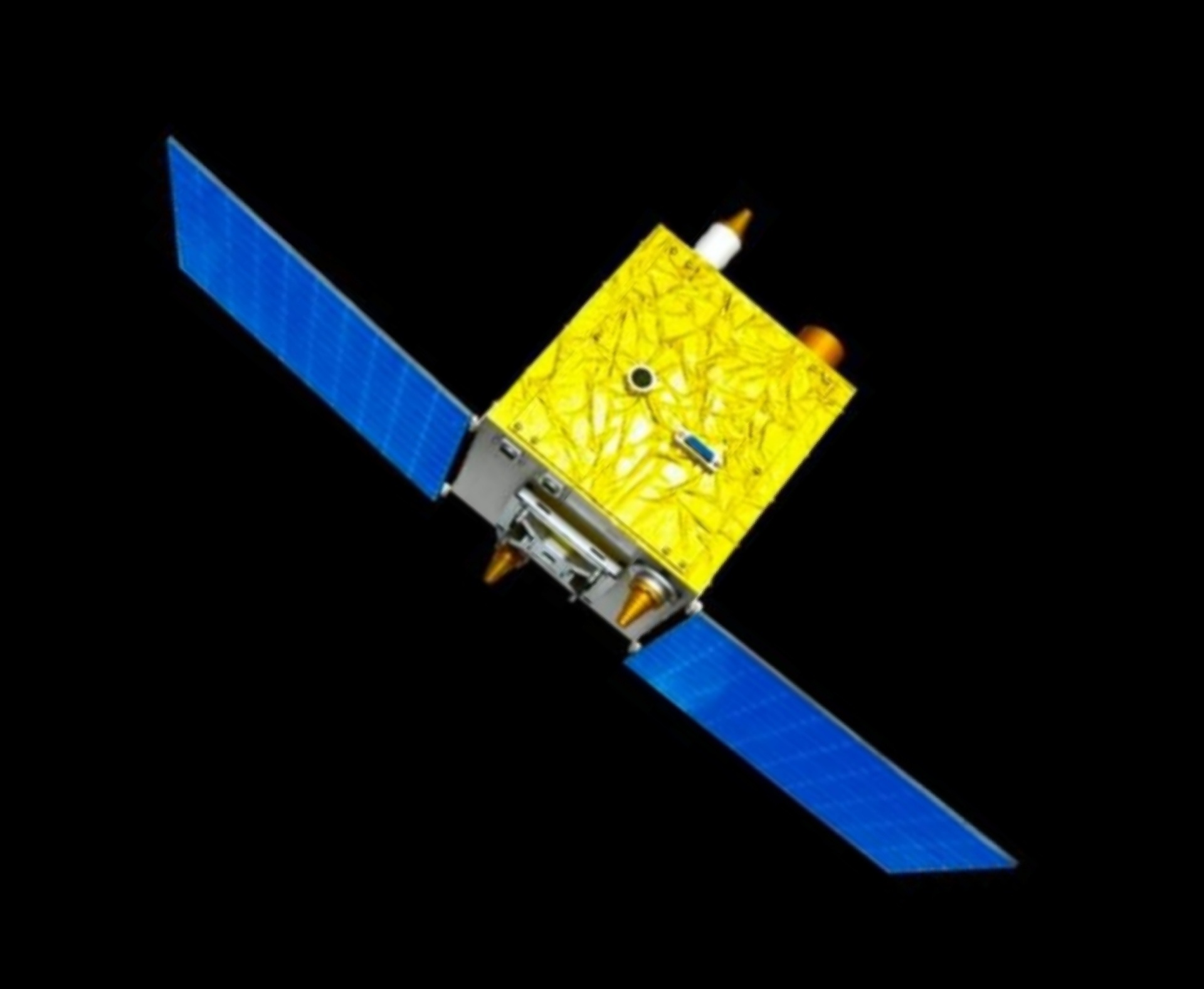
Pakistan lunar mission is set to receive crucial support from China as the country aims to enhance its space research capabilities.
Overview of Pakistan’s Lunar Mission
Pakistan is embarking on an ambitious lunar mission, aiming to enhance its capabilities in space research and exploration. This initiative, which seeks to place Pakistan on the global space map, is being developed with the support of Chinese technology and expertise. The collaboration with China is seen as a vital step in leveraging advanced space science and engineering to achieve the mission’s objectives.
The country’s space agency, SUPARCO, is at the forefront of this endeavor. The mission will focus on several key areas:
- Scientific Research: Conducting experiments on the lunar surface to gather data on its composition and geological features.
- Technological Development: Developing satellite technology that can be utilized in future projects.
- International Collaboration: Partnering with global space agencies to bolster research and innovation.
As Pakistan moves forward with its lunar mission, it aims to inspire future generations in the fields of science and technology. By investing in space exploration, the country is not only pursuing scientific advancement but also fostering a sense of national pride and ambition. The success of this mission could pave the way for more extensive space initiatives in the future, marking a significant milestone for Pakistan’s scientific community.
Importance of Chinese Support
The success of the Pakistan lunar mission heavily relies on the support and collaboration with China. As a nation with advanced space technology, China has proven its capabilities through various successful lunar explorations. This partnership is crucial for Pakistan, which aims to enhance its own space research initiatives.
There are several reasons why Chinese support is vital for Pakistan:
- Technical Expertise: China’s experience in lunar missions will provide Pakistan with valuable insights and guidance in developing its own capabilities.
- Financial Assistance: Collaborating with China may also open avenues for funding, making it easier for Pakistan to finance its ambitious lunar project.
- Research Collaboration: Joint research efforts can lead to significant advancements in various fields, including telecommunications and satellite technology.
- Capacity Building: Training Pakistani scientists and engineers through Chinese programs will enhance local skills and knowledge in space sciences.
Moreover, the geopolitical implications of the partnership cannot be understated. Strengthening ties with China in the realm of space exploration can bolster Pakistan’s position in international discussions about space research. Overall, the importance of Chinese support in the Pakistan lunar mission is not just beneficial; it is essential for the success of the initiative.
Goals of the Space Research Initiative
The primary goals of the Space Research Initiative surrounding the Pakistan lunar mission aim to advance the country’s capabilities in space exploration and research. These goals can be summarized as follows:
- Scientific Research: The mission intends to gather valuable data about the Moon’s surface and geology. This research could lead to significant discoveries about lunar resources and their potential use.
- Technological Development: By embarking on this lunar mission, Pakistan seeks to enhance its technological prowess in satellite technology, propulsion systems, and robotics, which are crucial for future space missions.
- International Collaboration: The initiative aims to foster partnerships with other nations and organizations, enhancing Pakistan’s position in the global space community.
- Education and Inspiration: The mission is designed to inspire a new generation of scientists and engineers in Pakistan, promoting interest in STEM (Science, Technology, Engineering, and Mathematics) fields among youth.
- Economic Growth: By developing a robust space program, Pakistan hopes to create job opportunities and stimulate economic growth through advancements in technology and innovation.
Overall, the Pakistan lunar mission stands as a testament to the nation’s commitment to pushing the boundaries of scientific exploration and technological advancement.
Challenges Facing Pakistan’s Space Program
The path to a successful Pakistan lunar mission is fraught with challenges that could hinder progress in the country’s space program. Despite ambitious goals, several key issues must be addressed to ensure the mission’s success.
- Funding Constraints: Securing adequate funding remains a significant hurdle. The scale of space exploration requires a substantial financial commitment, which can be difficult to achieve amidst competing national priorities.
- Technological Limitations: Pakistan’s space program faces technological gaps that need to be bridged. Developing the necessary equipment and expertise for lunar exploration is critical, and this often requires international collaboration.
- Human Resource Development: A lack of trained personnel in advanced space sciences poses a challenge. Investing in education and training programs is essential to build a skilled workforce capable of supporting complex missions.
- Political Instability: Political uncertainties can disrupt long-term projects like the lunar mission. Consistent government support is crucial for maintaining momentum in space research initiatives.
Addressing these challenges requires a strategic approach, harnessing international partnerships and investing in local capabilities, to realize the full potential of Pakistan’s lunar mission and advance its space program.
Future Prospects for Lunar Exploration
The future of lunar exploration is promising, especially with Pakistan’s lunar mission paving the way for groundbreaking advancements in space research. As the nation embarks on this ambitious journey, several prospects are emerging that could significantly enhance its scientific capabilities.
Firstly, the collaboration with China is expected to foster a robust exchange of knowledge and technology. This partnership may lead to the development of indigenous technologies that can be utilized not just for lunar missions but also for other scientific endeavors.
Secondly, successful execution of the lunar mission could position Pakistan as a key player in international space exploration. This could open doors for further collaborations with global space agencies, enhancing Pakistan’s reputation in the global scientific community.
Moreover, the mission has the potential to inspire a new generation of scientists and engineers in Pakistan. Educational initiatives and outreach programs focused on space science could arise, promoting STEM (Science, Technology, Engineering, and Mathematics) fields among youth.
In conclusion, the future prospects for lunar exploration through Pakistan’s lunar mission are vast. By leveraging international partnerships and fostering local talent, Pakistan can make a significant impact in the realm of space research.
International Reactions to the Mission
The announcement of Pakistan’s lunar mission has garnered considerable attention on the international stage, with reactions ranging from enthusiastic support to cautious skepticism.
Countries involved in space research have expressed their views as follows:
- China: As a key partner, China’s space agencies have shown strong backing, emphasizing the importance of collaboration in achieving successful outcomes for the Pakistan lunar mission.
- India: Indian officials have highlighted the competitive aspects, viewing Pakistan’s advancements as a challenge to their own space ambitions. They stress the need for increased investment in their own programs.
- United States: The U.S. has taken a measured stance, acknowledging the potential for scientific breakthroughs while urging Pakistan to ensure transparency in its mission funding and objectives.
- European Union: European space agencies have expressed interest in potential collaborative efforts, indicating that Pakistan’s lunar mission could lead to joint research initiatives and technological exchanges.
Overall, the international community appears to recognize the strategic significance of Pakistan’s lunar mission, which may pave the way for enhanced cooperation in space exploration and technology development.
The successful execution of the Pakistan lunar mission could pave the way for future collaborations in space exploration. By investing in the Pakistan lunar mission, the country aims to enhance its scientific capabilities and contribute to global knowledge in astronomy.
By Institute of Space Technology via Openverse