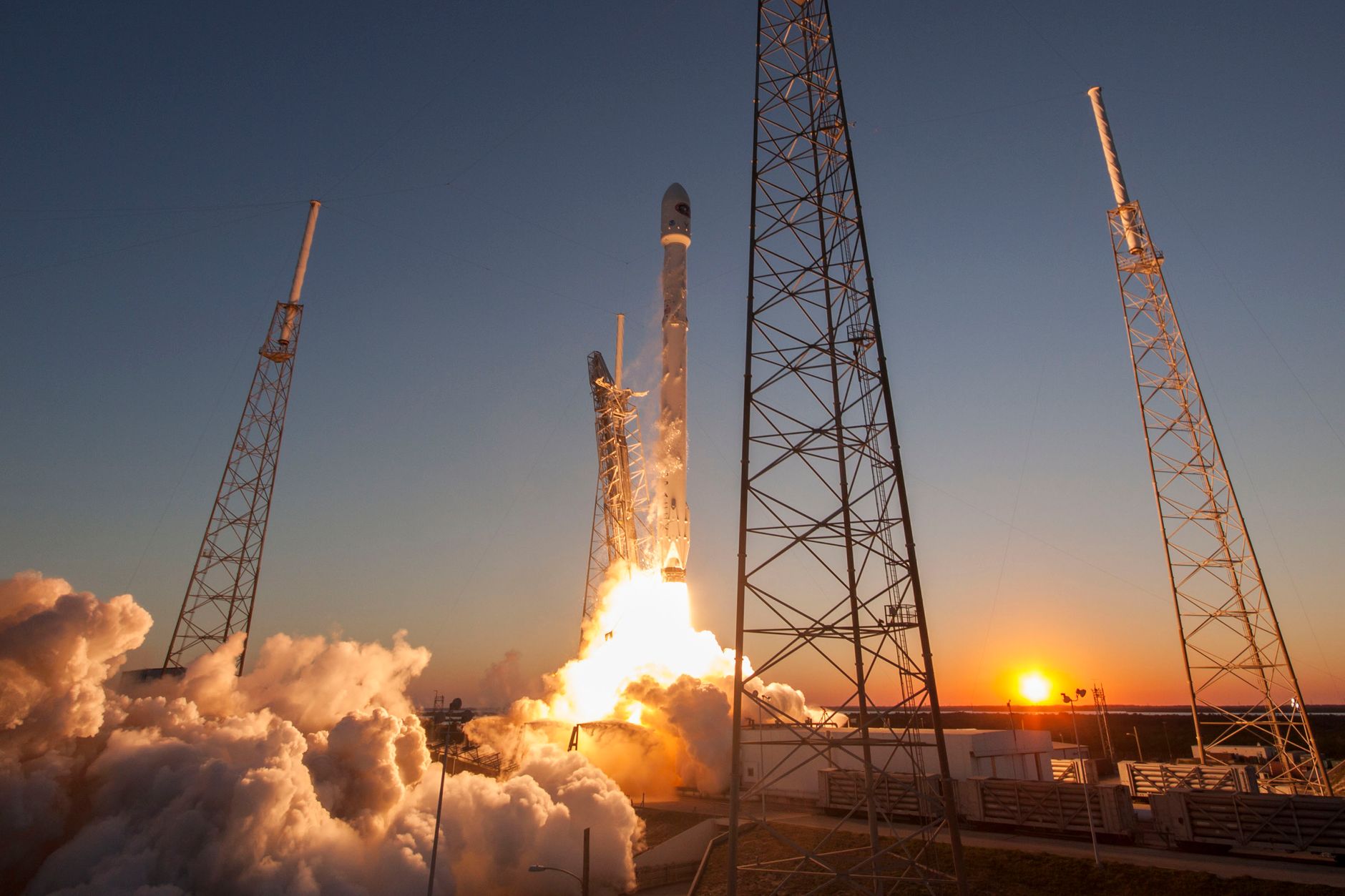

SpaceX Starlink launch is scheduled for 2026, marking an important milestone with 28 satellites entering orbit to improve global connectivity.
Overview of SpaceX Starlink
SpaceX has made significant strides in satellite technology with its Starlink launch program, which aims to provide high-speed internet access globally. By 2026, the company plans to deploy an additional 28 satellites, further enhancing its existing constellation. This initiative is part of SpaceX’s broader vision to bridge the digital divide, especially in underserved and remote areas.
The Starlink project utilizes low Earth orbit (LEO) satellites, which offer reduced latency compared to traditional satellite internet services. Users can expect speeds that rival those of terrestrial broadband, making it a viable option for various applications, including education, telehealth, and remote work.
Key features of the Starlink system include:
- Global Coverage: Aimed at providing internet access even in the most isolated regions.
- High-Speed Connectivity: Users can experience download speeds of up to 150 Mbps.
- Scalability: The network is designed to accommodate growing demand for internet services.
As the SpaceX Starlink launch continues to evolve, it is poised to become the best proven technology for reliable internet access by 2026.
Details of the 2026 launch
The upcoming SpaceX Starlink launch in 2026 is set to be a landmark event in the realm of satellite technology. This launch will deploy 28 advanced satellites into orbit, enhancing the existing network designed to provide high-speed internet globally.
Key details regarding the launch include:
- Launch Date: Scheduled for mid-2026, the precise date will be announced closer to the event.
- Satellite Specifications: The new satellites will feature cutting-edge technology that improves bandwidth and reduces latency, making internet access faster and more reliable.
- Geographical Coverage: The deployment will focus on underserved areas, ensuring that remote regions gain access to quality internet services.
- Environmental Considerations: SpaceX is committed to minimizing space debris, implementing new measures to ensure the sustainability of satellite operations.
This SpaceX Starlink launch is expected to solidify the company’s position as a leader in satellite internet technology, paving the way for broader connectivity in the years to come.
Impact of Starlink on global internet
The impact of the SpaceX Starlink launch on global internet connectivity is poised to be transformative. As the company continues to expand its satellite constellation, it aims to address the digital divide that affects millions of people worldwide.
Starlink’s low Earth orbit satellites are designed to provide high-speed internet access in rural and underserved areas where traditional broadband infrastructure is lacking. The 2026 launch, which includes the deployment of additional satellites, is expected to enhance service quality and coverage significantly.
- Increased Accessibility: Starlink aims to bring internet access to regions that have been historically neglected by major telecommunications companies.
- Improved Speeds: Users can expect faster internet speeds, making it viable for activities like streaming, online gaming, and remote work.
- Global Connectivity: With the completion of the satellite network, rural and urban users alike will benefit from a reliable internet connection.
As SpaceX continues to innovate with its Starlink technology, the 2026 launch is set to solidify its position as a leader in the satellite internet market, making significant strides towards a more connected world.
Future plans for SpaceX’s satellite network
As SpaceX continues to expand its satellite network, the company has laid out ambitious future plans for the SpaceX Starlink launch. With a focus on enhancing global internet access, the upcoming launches aim to deploy advanced technology that improves service reliability and coverage.
Key elements of SpaceX’s future strategy include:
- Increased Satellite Constellation: Plans to add thousands of satellites to the existing constellation to provide better connectivity and lower latency.
- Technological Innovations: Continuous upgrades to satellite technology, including improved propulsion systems and enhanced communication capabilities.
- Partnerships: Collaborations with telecommunications providers to integrate Starlink services into local networks, making internet access more affordable and widespread.
- Sustainability Initiatives: Commitment to reducing space debris and ensuring the long-term viability of satellite operations.
By 2026, these initiatives are expected to position SpaceX Starlink as the best proven technology for delivering high-speed internet globally, ensuring that even the most remote areas can benefit from reliable connectivity.
The upcoming SpaceX Starlink launch is set to revolutionize global internet access, providing high-speed connectivity even in remote areas. As experts analyze the implications of the SpaceX Starlink launch, it becomes clear that this technology will play a crucial role in shaping the future of communications by 2026.
By CBestopher via Openverse