
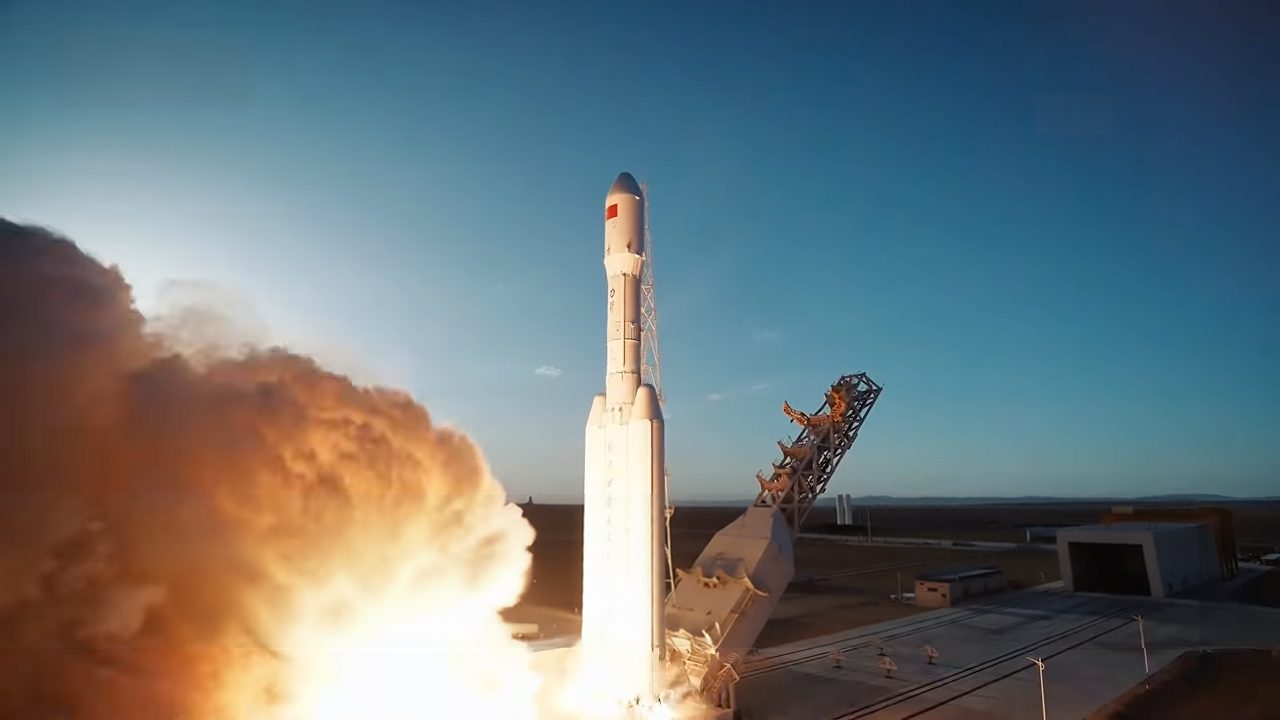
The Lijian 2 rocket launch successfully deployed a new group of satellites, showcasing China’s advancements in space technology. This mission marks a significant step forward for the nation’s space program.
Overview of the Lijian 2 Rocket
The recent launch of the Lijian 2 rocket marks a significant milestone in China’s ongoing efforts to enhance its capabilities in space technology. This advanced rocket is designed to deploy a diverse range of satellites into orbit, with a focus on improving communication, navigation, and Earth observation services.
The Lijian 2 is notable for its:
- Innovative design: Utilizing cutting-edge materials and technology, the rocket showcases improved performance and reliability.
- Increased payload capacity: It can carry multiple satellites at once, allowing for more efficient missions and reducing launch costs.
- Enhanced precision: The rocket is equipped with advanced navigation systems, ensuring accurate placement of satellites in their designated orbits.
During the latest launch, the Lijian 2 successfully deployed a new group of satellites that are expected to play a critical role in various applications, including environmental monitoring and disaster management. As China’s space program continues to evolve, the Lijian 2 rocket launch serves as a testament to the nation’s commitment to leveraging space technology for the benefit of its citizens and the global community.
Significance of the Recent Launch
The recent launch of the Lijian 2 rocket marks a significant milestone in China’s growing capabilities in space exploration. This mission is particularly noteworthy for the deployment of advanced satellite technology that promises to enhance various sectors on Earth.
Among the satellites launched, several are designed for applications in communication, Earth observation, and scientific research. The significance of these advancements can be summarized in the following points:
- Enhanced Communication: New communication satellites will improve connectivity in remote areas, facilitating better access to information and resources.
- Earth Monitoring: Earth observation satellites play a crucial role in tracking environmental changes, aiding in disaster management, and supporting agricultural planning.
- Scientific Research: The mission also includes satellites that will support ongoing scientific studies, contributing to our understanding of space and Earth systems.
- International Collaboration: The Lijian 2 rocket launch paves the way for future partnerships with other countries in satellite technology and space exploration.
As China’s Lijian 2 rocket continues to demonstrate its reliability, the implications of these satellite deployments extend far beyond national borders, influencing global telecommunications and environmental monitoring.
Technological Innovations in Lijian 2
The recent Lijian 2 rocket launch has showcased several technological innovations that enhance its capabilities and effectiveness in deploying satellites into orbit. These advancements reflect China’s commitment to pushing the boundaries of space exploration and satellite technology.
One of the key innovations is the rocket’s modular design, which allows for quick assembly and adaptability for various payloads. This flexibility enables the Lijian 2 to carry a diverse range of satellites, catering to both commercial and scientific missions.
Additionally, the launch system incorporates advanced propulsion technology that improves fuel efficiency and reduces launch costs. The integration of new materials has also contributed to the rocket’s weight reduction, allowing for higher payload capacities.
The Lijian 2 features enhanced guidance and navigation systems, which ensure precise placement of satellites into their intended orbits. This accuracy is crucial for applications such as Earth observation and communication.
Moreover, the rocket’s ability to deploy multiple satellites in a single mission highlights its efficiency, demonstrating the potential for future launches to support large-scale satellite constellations.
As China continues to innovate in its space endeavors, the Lijian 2 rocket launch marks a significant step forward in the deployment of advanced satellite technologies.
Future Missions Planned
Following the successful Lijian 2 rocket launch, several future missions are already being planned to enhance China’s capabilities in space. The recent advancements demonstrated by the Lijian 2 have paved the way for a new era of satellite deployment and interplanetary exploration.
Key future missions include:
- Enhanced Earth Observation: Future launches will focus on deploying more sophisticated satellites aimed at improving environmental monitoring and natural disaster management.
- Communication Satellites: Plans are underway to launch a new series of communication satellites that will significantly boost broadband connectivity across remote regions.
- Scientific Research Missions: The Lijian 2 rocket will be instrumental in sending payloads for scientific research, particularly in areas such as climate change and space weather studies.
- Interplanetary Exploration: There is a growing interest in utilizing the Lijian 2 for missions targeting Mars and beyond, potentially including orbiters and landers.
With its proven reliability and advanced technology, the Lijian 2 rocket launch marks just the beginning of an ambitious roadmap for China’s space exploration efforts, promising to deliver more cutting-edge satellites to enhance both scientific understanding and global communication.
Impact on Global Space Industry
The successful launch of the Lijian 2 rocket has marked a significant milestone in the global space industry, showcasing advancements in satellite deployment and technology.
With this launch, the Lijian 2 has introduced several new satellites that are anticipated to enhance various sectors, including telecommunications, environmental monitoring, and Earth observation. The payload from this mission consists of high-performance satellites designed to provide vital data that can be utilized for both commercial and scientific purposes.
Industry experts believe that the Lijian 2 rocket launch could foster international collaboration in space exploration. Countries and organizations are now more inclined to partner with Chinese space agencies, which are rapidly advancing in their capabilities. This launch exemplifies China’s growing influence in the space domain, potentially reshaping global partnerships and competition.
Furthermore, the reliability demonstrated by the Lijian 2 rocket enhances trust among stakeholders in the space sector. As more nations invest in satellite technology, the launch could set a precedent for future missions, pushing traditional space powers to innovate and improve their own launch systems.
In summary, the Lijian 2 rocket launch not only serves China’s ambitions but also positively impacts the broader global space industry, driving progress and collaboration.
Comparison with Other Rockets
The recent Lijian 2 rocket launch has sparked discussions about its performance in comparison to other rockets currently in operation. While many launch vehicles have their unique strengths, the Lijian 2 has demonstrated noteworthy capabilities that set it apart.
When evaluating rockets, several factors come into play, including payload capacity, reliability, and cost-effectiveness. Here are some key comparisons:
- Payload Capacity: The Lijian 2 can carry a significant payload, rivaling established rockets like the Falcon 9 and Ariane 5, making it an attractive option for satellite deployments.
- Launch Reliability: The recent successful launch has added to the growing reputation of the Lijian 2, positioning it alongside trusted rockets such as the Atlas V, known for its high success rate.
- Cost-Effectiveness: With competitive pricing, the Lijian 2 aims to appeal to both commercial and governmental clients, potentially disrupting the traditional pricing models of established space agencies.
Overall, the Lijian 2 rocket launch not only showcases China’s advancing space capabilities but also highlights the vehicle’s potential to reshape the competitive landscape in the global space industry.
Challenges Faced During Launch
The Lijian 2 rocket launch faced several challenges that tested the capabilities of the team and technology involved. Despite the advanced engineering, the launch experienced issues that required quick resolution.
- Weather Conditions: Inclement weather was a significant concern leading up to the launch. High winds and cloud cover delayed the countdown, forcing engineers to adapt and reschedule the launch window.
- Technical Glitches: During the final checks, a minor technical glitch was detected in the guidance system. Engineers worked tirelessly to troubleshoot and rectify the issue, demonstrating the resilience of the team.
- Payload Integration: The integration of the satellites onto the Lijian 2 rocket was complex. Ensuring that the payload was securely fastened and would deploy correctly required meticulous attention to detail.
- Coordination with Ground Teams: Effective communication between the launch team and ground control was vital. Any miscommunication could have led to delays or errors in the launch sequence.
Despite these obstacles, the successful launch of the Lijian 2 rocket positioned it as a reliable option for future space missions, solidifying its place in the competitive landscape of global space exploration.
Public Reception and Reactions
The recent launch of the Lijian 2 rocket has garnered significant attention both domestically and internationally. Public reception has been largely positive, with many praising the advancements in technology and the strategic importance of the mission.
Social media platforms have been flooded with reactions, as users share their excitement and support for China’s growing capabilities in space exploration. Some notable responses include:
- Enthusiasm for Technological Progress: Many observers highlighted the Lijian 2 rocket’s innovative features, emphasizing how they represent a leap forward for China’s aerospace industry.
- National Pride: Citizens expressed a sense of pride in their country’s achievements, viewing the successful launch as a testament to China’s commitment to becoming a global leader in space.
- Concerns Over Space Debris: While the launch was celebrated, some experts raised concerns about the increasing amount of space debris resulting from frequent satellite deployments.
Experts believe that the Lijian 2 rocket launch not only enhances China’s satellite capabilities but also strengthens its position in the competitive global space industry. As the world watches closely, the implications of this mission could shape future space endeavors significantly.
The Lijian 2 rocket launch marks a significant milestone in advancing satellite technology. With its proven reliability, the Lijian 2 rocket launch is set to deliver some of the best satellites into orbit.
By 中国新闻社 via Openverse