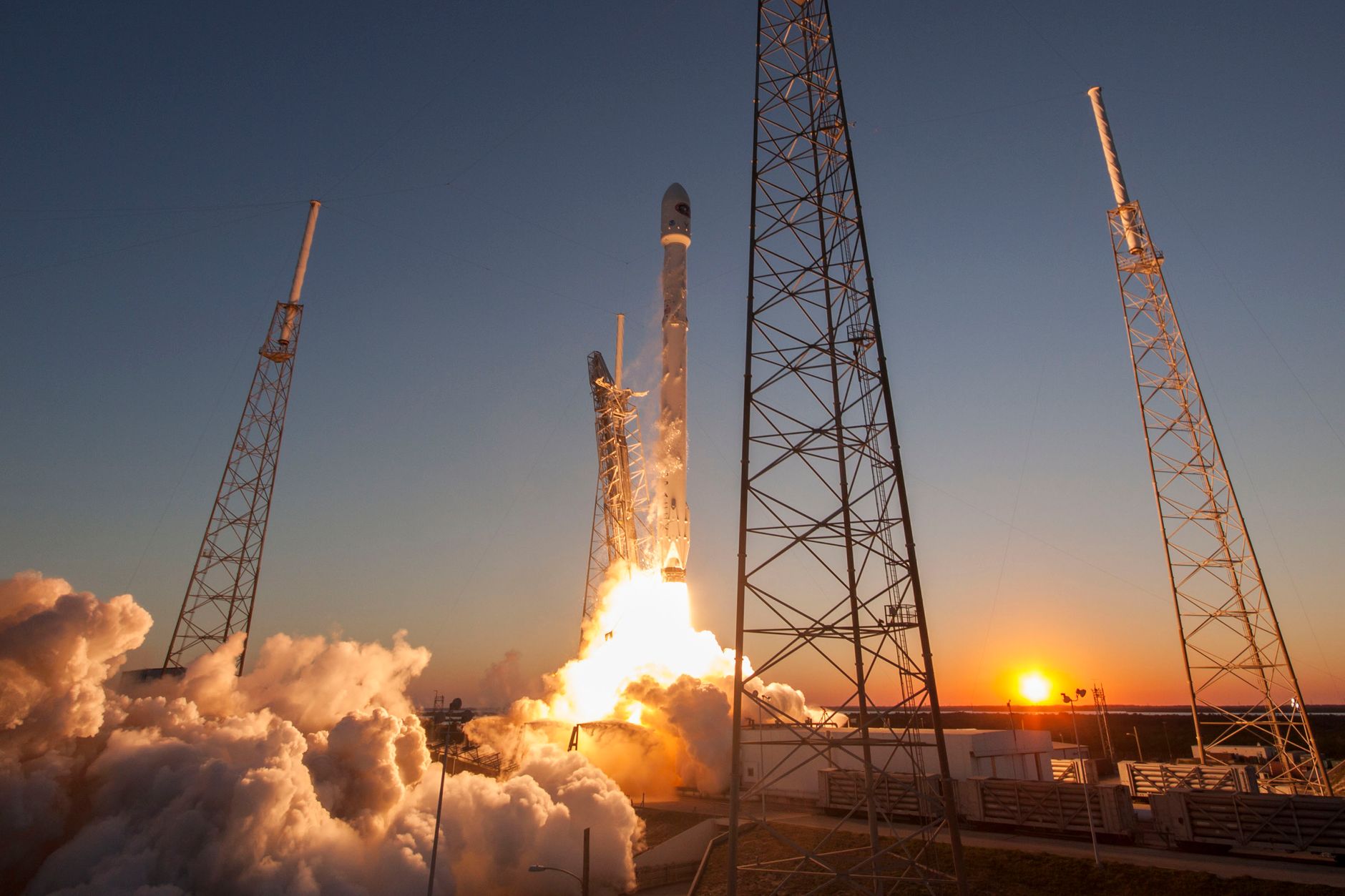
Russia military spacecraft launch has captured global attention as the nation successfully sends its military technology into orbit. This event signifies a pivotal moment in aerospace advancements.
Overview of the Russia military spacecraft launch
The recent Russia military spacecraft launch has sparked widespread discussion among analysts and military experts. This mission marks a significant milestone in Russia’s ongoing efforts to enhance its space capabilities, particularly in the context of military operations. With the launch successfully executed, the spacecraft is expected to play a crucial role in intelligence gathering and satellite communications.
Observers have noted that such advancements in military technology may alter the balance of power in the region. The launch comes at a time of heightened geopolitical tensions, which raises questions about the implications for global security. Some experts argue that the timing indicates a strategic shift, while others view it as a necessary step for maintaining national defense.
Key details surrounding the launch include:
- The launch vehicle used, highlighting its technological advancements.
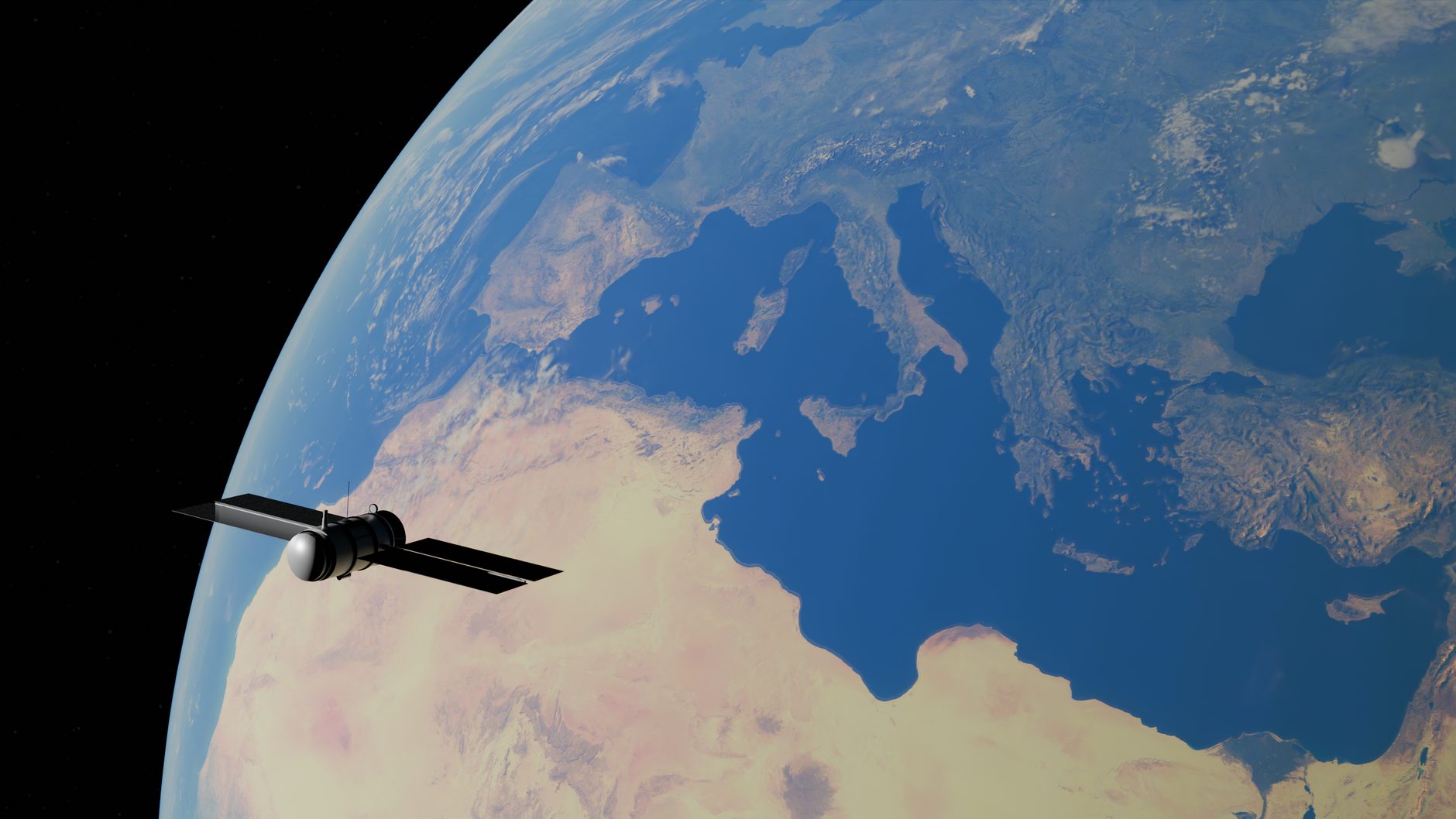
- The specific objectives of the spacecraft in terms of reconnaissance and surveillance.
- The potential responses from other nations regarding this development.
As the world watches the outcomes of this launch, the effectiveness of the Russia military spacecraft launch in achieving its goals remains to be seen, prompting ongoing analysis and debate within military and political circles.
Implications for global space race
The recent Russia military spacecraft launch has significant implications for the ongoing global space race. As nations increasingly recognize the strategic importance of space, this launch could shift the balance of power in various domains, including military, scientific, and technological advancements.
Experts are analyzing the potential outcomes of this development, including:
- Increased Military Capabilities: The successful deployment of military spacecraft enhances Russia’s ability to gather intelligence and conduct operations in space, which may prompt other nations to accelerate their own military space programs.
- Heightened Tensions: The launch could lead to a renewed arms race in space, as countries may feel compelled to invest more in their space defense systems to counter perceived threats.
- International Collaboration: Conversely, this move might encourage international partnerships focused on space security and the peaceful use of outer space, as nations seek to establish norms and regulations governing military activities in orbit.
- Technological Innovation: The competition spurred by such launches could drive technological advancements that benefit civilian space exploration and satellite communication.
In summary, the implications of the Russia military spacecraft launch extend far beyond its immediate effects, potentially reshaping the landscape of global space politics.
Technological advancements in military space programs
The recent Russia military spacecraft launch marks a significant leap in technological advancements within the nation’s military space programs. As nations compete in the realm of space, Russia is investing heavily in cutting-edge technologies to enhance its capabilities.
One of the primary advancements is the development of more sophisticated propulsion systems, which allow spacecraft to reach orbit more efficiently and with greater payload capacities. This is essential for deploying satellites that can improve reconnaissance and communication.
Furthermore, advancements in materials science have led to the creation of lighter and more durable spacecraft structures. These innovations not only improve performance but also extend the lifespan of military assets in space.
Additionally, Russia is focusing on the integration of artificial intelligence into its space systems. AI can enhance data analysis from reconnaissance satellites, providing real-time insights for military strategists.
Another critical aspect is the enhancement of cybersecurity measures to protect sensitive information transmitted from space. As military operations increasingly depend on satellite technology, safeguarding these systems from potential threats is crucial.
In summary, the technological advancements spurred by the recent launch position Russia as a formidable player in the evolving landscape of military space programs, indicating that this move might indeed be one of the most strategic yet.
Public reaction to the launch event
The recent Russia military spacecraft launch has sparked a wide array of public reactions, reflecting diverse opinions on the event’s implications. Many observers have taken to social media to express their views, with a noticeable split between support and criticism.
- Supporters of the launch argue that it demonstrates Russia’s advanced capabilities in space technology and reaffirms its position as a key player in the global arena.
- Some believe that this move will enhance national security and bolster defense strategies, especially in light of rising geopolitical tensions.
- However, critics raise concerns about the militarization of space, arguing that such developments could lead to an arms race and increased hostility among nations.
- Environmental activists have also voiced their worries, emphasizing the potential risks associated with space debris and its long-term impact on the Earth’s orbit.
Public sentiment is further influenced by the historical context of military space programs. As nations compete for dominance in space, many are questioning whether this launch is a prudent investment or a dangerous gamble. The ongoing debate reflects a broader concern about how such advancements in military space technology could shape future international relations.
Future missions planned by Russia
In light of the recent Russia military spacecraft launch, the country’s space agency has outlined a series of future missions aimed at enhancing its capabilities in military and civilian aerospace domains. These upcoming missions are designed to bolster national security and assert Russia’s position in the global space race.
The planned missions include:
- Surveillance Satellites: Russia intends to deploy a new generation of surveillance satellites that will provide real-time intelligence and reconnaissance capabilities.
- Communication Satellites: Enhancements in communication technology are critical, and new satellites will be launched to improve military communications across vast distances.
- Deep Space Exploration: Ambitious plans are underway for exploratory missions beyond low Earth orbit, focusing on both scientific research and potential military applications.
- Collaboration with Allies: Russia aims to collaborate with allied nations to share technology and resources, enhancing joint military capabilities in space.
As these missions progress, they are expected to fuel further advancements in technology and strengthen Russia’s strategic position in the evolving landscape of space exploration and military readiness.
Comparative analysis with other nations’ launches
The recent Russia military spacecraft launch has prompted a comparative analysis with similar endeavors undertaken by other nations. This examination sheds light on the strategic implications of such advancements in military capabilities.
Countries like the United States and China have made significant strides in military space technology, showcasing their own spacecraft launches in recent years. Here are some key points for comparison:
- United States: The U.S. military has invested heavily in the Space Force, with multiple successful satellite launches aimed at enhancing communication and surveillance capabilities.
- China: China’s rapid advancements in military space technology have led to several launches that focus on anti-satellite systems and reconnaissance, raising concerns among global powers.
- India: Although not primarily military, India’s recent missions have showcased its ability to deploy satellites that serve defense purposes, adding to its strategic position in the space race.
While the Russia military spacecraft launch highlights its growing ambitions in space, it also raises questions about the escalation of military tensions. The global community is closely monitoring these developments, as they could lead to a new era of competition in military space capabilities.
The recent Russia military spacecraft launch has sparked debate among analysts about its strategic implications. Many experts are questioning whether this Russia military spacecraft launch is truly the best move ever for the country’s space ambitions.
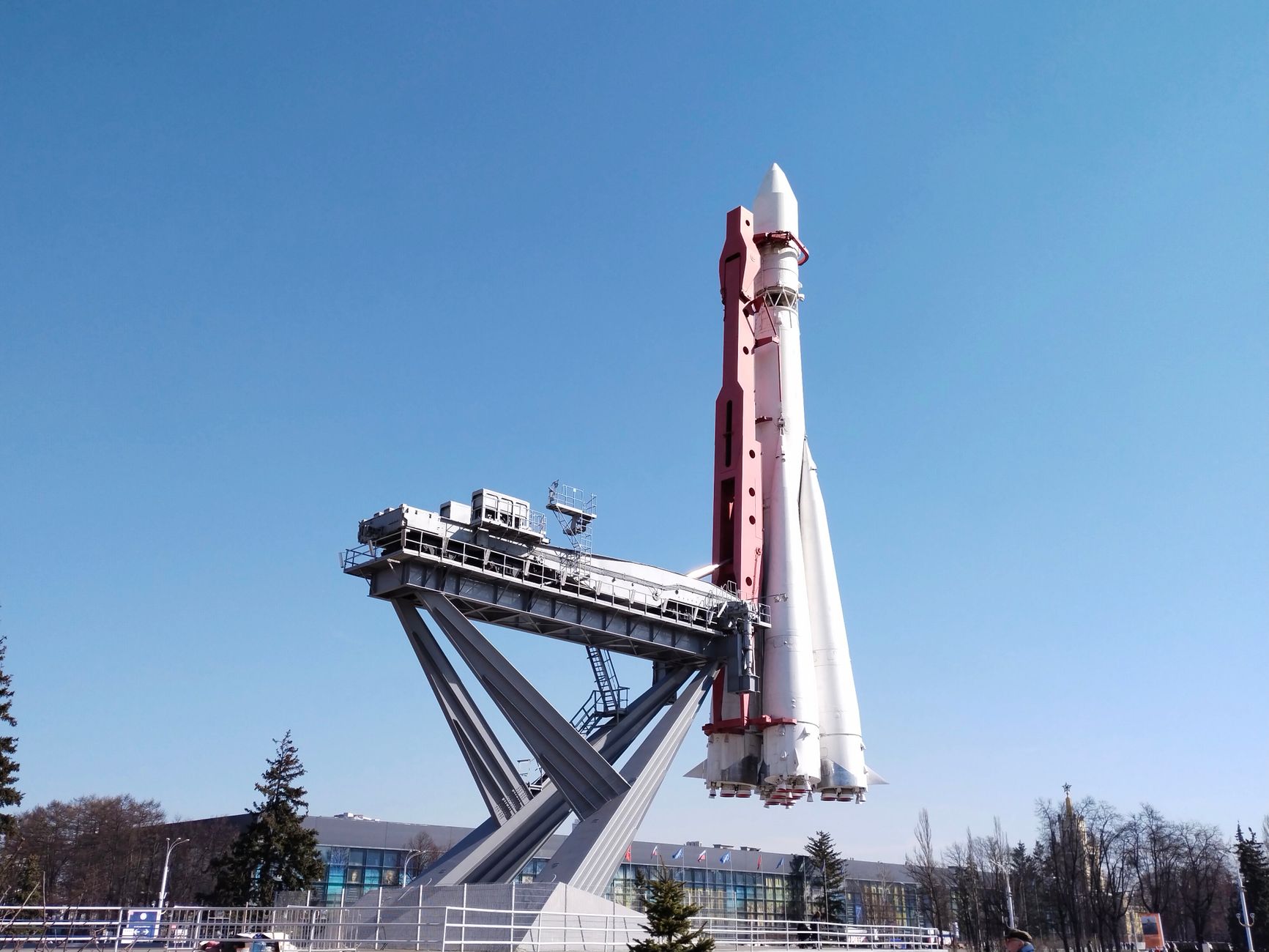
Photo by Алексей Антонов on Pexels