
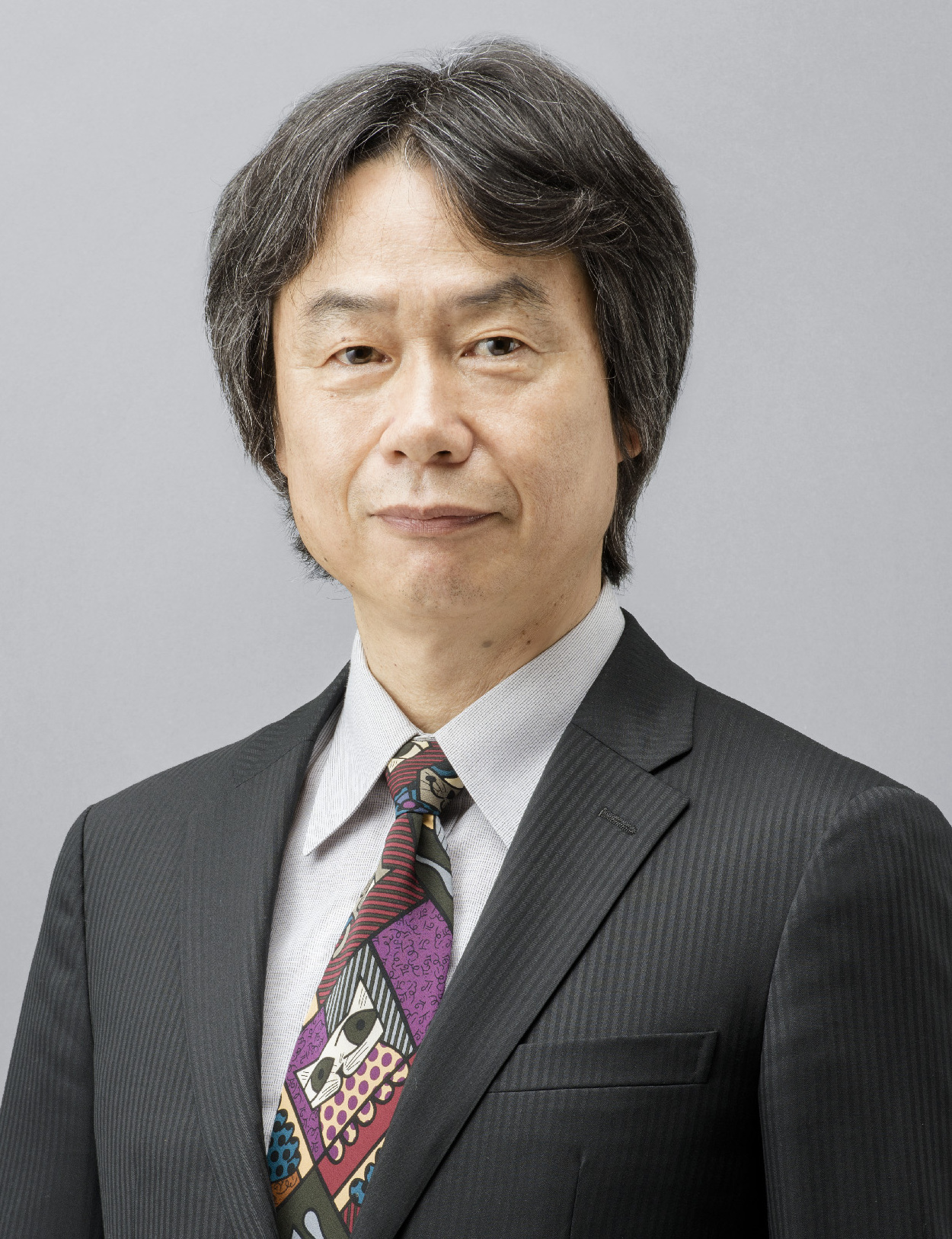
AI and human creativity are often seen as opposing forces. However, Shigeru Miyamoto explains that AI will not make human creativity obsolete, highlighting its potential to enhance artistic expression.
Understanding AI and Human Creativity
In the ever-evolving landscape of technology, the relationship between AI and human creativity is a topic of intense discussion. Shigeru Miyamoto, renowned game designer, offers valuable insights into this dynamic, highlighting how AI can enhance rather than replace human ingenuity. According to Miyamoto, creativity is rooted in personal experiences, emotions, and cultural contexts that machines cannot replicate.
He emphasizes that while AI can assist in generating ideas and automating processes, the essence of creativity remains a distinctly human trait. This viewpoint aligns with the notion that technology should serve as a tool to augment creative expression rather than a substitute for it. Miyamoto points out several key reasons why human creativity will endure:
- Emotional Depth: Human creativity is often driven by emotions, allowing artists and creators to connect deeply with their audience.
- Cultural Influence: The rich tapestry of human culture informs creative works, something AI struggles to grasp fully.
- Subjective Interpretation: Creative works are subject to personal interpretation, a nuance that AI algorithms cannot fully appreciate.
Ultimately, Miyamoto’s perspective suggests that the synergy between AI and human creativity can lead to innovative outcomes, as long as humans retain their unique creative role.
Miyamoto’s Perspective on AI
Shigeru Miyamoto, the renowned video game designer, shared his insights on the evolving relationship between AI and human creativity. He emphasized that while AI can generate impressive results, it lacks the unique human touch that drives true innovation. Miyamoto stated, “AI can assist in the creative process, but it cannot replace the emotional depth that human creators bring to their work.”
This perspective highlights a crucial aspect of creativity: the ability to convey feelings and experiences that resonate on a personal level. For Miyamoto, the magic of storytelling in games comes from the human experiences that inspire them. He believes that AI and human creativity can coexist, with AI acting as a tool to enhance, rather than replace, human ingenuity.
According to Miyamoto, the potential for AI to contribute positively to creative industries lies in its ability to handle repetitive tasks, allowing creators to focus on more complex and emotionally driven aspects of their work. He noted several key points:
- Collaboration: Emphasizing the cooperative potential of AI in the creative process.
- Innovation: AI can inspire new ideas and approaches that may not have been considered before.
- Emotion: Only humans can embed genuine emotion into their creations, a vital component of art.
Miyamoto’s views reinforce the idea that AI and human creativity can thrive together, each complementing the other in the artistic landscape.
How AI Enhances Creativity
In recent discussions surrounding AI and human creativity, industry leaders like Shigeru Miyamoto emphasize the positive impact of artificial intelligence on the creative process. Rather than replacing human input, AI acts as a powerful tool that enhances the creative capabilities of individuals.
Miyamoto points out several ways in which AI can augment creativity:
- Idea Generation: AI can analyze vast amounts of data and trends, providing creators with unique insights and inspiration that might otherwise go unnoticed.
- Automation of Mundane Tasks: By automating repetitive and time-consuming tasks, AI allows artists and creators to focus on the more imaginative aspects of their work.
- Collaborative Tools: AI-powered tools can facilitate collaboration among creators, making it easier to share ideas and develop projects together, regardless of geographical barriers.
- Personalization: AI can help tailor creative outputs to specific audiences, ensuring that the content resonates more deeply with viewers or users.
Ultimately, the combination of AI and human creativity can lead to innovative solutions and artistic expressions that neither could achieve alone. As Miyamoto suggests, embracing AI in creative fields may open the door to new possibilities, reshaping the future of creativity itself.
The Future of Creativity in Gaming
The intersection of AI and human creativity is becoming increasingly significant in the gaming industry, as developers look to harness the potential of artificial intelligence while preserving the unique qualities of human innovation. Shigeru Miyamoto, a legendary figure in game design, emphasizes that AI should be viewed as a tool to augment creativity rather than replace it. He believes that the essence of creativity stems from the human experience, which AI cannot replicate.
Miyamoto points out several key areas where AI can enhance the creative process:
- Streamlining Development: AI can automate routine tasks, allowing developers to focus on more complex and imaginative aspects of game design.
- Generating Ideas: AI can analyze vast amounts of data to identify trends and generate fresh concepts, providing a springboard for human creativity.
- Personalizing Experiences: By utilizing AI algorithms, games can adapt to individual player preferences, creating a more immersive and tailored experience.
Ultimately, the future of creativity in gaming hinges on a collaborative relationship between AI and human creativity. As the industry evolves, it is essential to find a balance that leverages AI’s capabilities while celebrating the irreplaceable imagination and emotional depth that only humans can bring to the table.
via Wikimedia Commons
Where this came from
Samsung foldable phone: The Best Launch You Can’t Miss · AI Quick Bar Feature Delay: What You Need to Know · OPPO Enco X4: The Best Smart Audio Experience in India