
Electricity tariff hike has raised concerns among consumers, despite government claims of lower prices. Understanding the truth behind these statements is crucial for informed decision-making.
Understanding the Electricity Tariff Hike
The recent discussions surrounding the electricity tariff hike have raised eyebrows among consumers and industry experts alike. While the government claims that electricity has become cheaper overall, many households are feeling the pinch due to rising costs.
Understanding the electricity tariff hike involves examining various factors that influence pricing, including:
- Fuel Costs: Fluctuating fuel prices directly impact electricity generation expenses.
- Infrastructure Investments: Upgrading and maintaining electric grids requires significant funding.
- Regulatory Changes: New policies can affect how tariffs are calculated and implemented.
Despite the government’s reassurances, consumers are left questioning the implications of the electricity tariff hike on their monthly bills and overall affordability.
Government’s Claims on Cheaper Electricity
The government has made assertions that consumers will benefit from reduced electricity costs, despite widespread reports of an impending electricity tariff hike. Officials emphasize that various factors contribute to this apparent contradiction.
They argue that:
- Increased Efficiency: Investments in technology have led to more efficient power generation and distribution.
- Renewable Energy Sources: A growing reliance on solar and wind energy is expected to stabilize prices in the long run.
- Government Subsidies: Ongoing subsidies are intended to cushion the impact of rising tariffs on low-income households.
However, critics remain skeptical, questioning how an electricity tariff hike can coexist with claims of cheaper electricity. Many consumers are left wondering about the true implications of these government assertions.
Impact on Consumers and Businesses
The recent electricity tariff hike has sparked concern among consumers and businesses alike. Many households are bracing for increased monthly expenses, while small enterprises are worried about their profit margins being squeezed further. The rising costs could lead to a ripple effect, with some businesses potentially passing on the added expenses to consumers through higher prices.
Moreover, lower-income families may struggle to meet their energy bills, forcing them to make difficult choices between essential needs and utility payments. The impact is not limited to residential users; industries that rely heavily on electricity may face operational challenges, leading to reduced productivity.
As the debate continues, it remains to be seen how this electricity tariff hike will shape the economic landscape and affect the overall well-being of consumers across the region.
Future of Electricity Pricing in Pakistan
The future of electricity pricing in Pakistan remains uncertain as consumers grapple with the implications of the recent electricity tariff hike. Analysts suggest that while the government claims electricity has become cheaper, many consumers are experiencing the opposite.
Key factors influencing future pricing include:
- Regulatory Changes: Potential reforms may alter pricing structures.
- Global Energy Trends: Fluctuations in international energy markets could affect local tariffs.
- Investment in Infrastructure: Upgrades may lead to operational efficiencies and cost reductions.
Moreover, the shift towards renewable energy sources could play a crucial role in stabilizing prices. As the government navigates between public demand and international obligations, the impact of the electricity tariff hike will continue to shape consumer experiences in the near future.
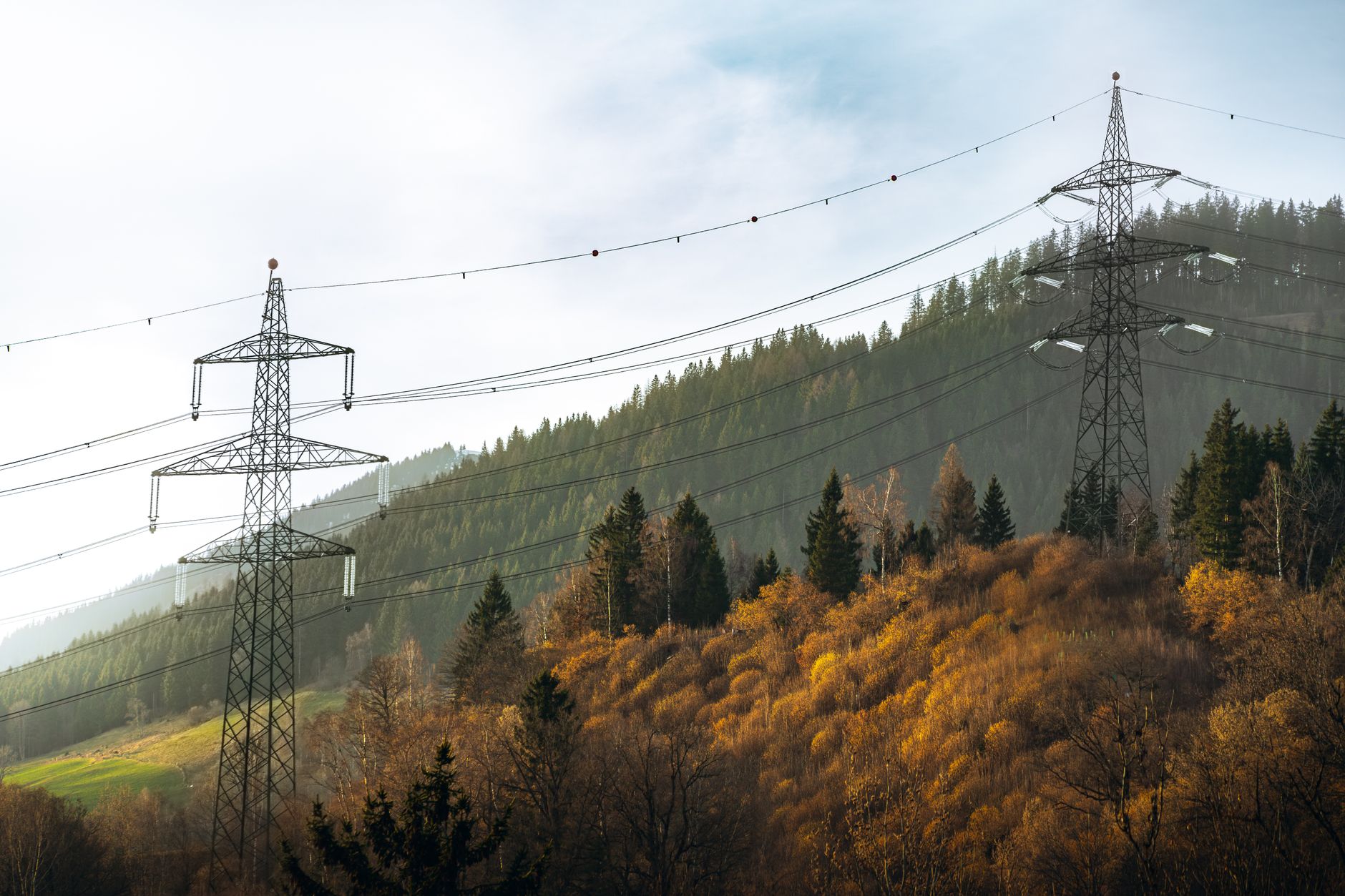
Photo by Martin Leitgeb on Pexels