SpaceX Starship payload run is gearing up for its first orbital milestone. This ambitious mission marks a pivotal moment in the future of space exploration.
What to Expect from SpaceX’s Upcoming Payload Run
As SpaceX gears up for its highly anticipated Starship payload run, experts and space enthusiasts alike are eager to see what this next phase of testing will reveal. The upcoming mission is crucial for demonstrating the capabilities of the Starship system, which aims to revolutionize space travel and logistics.
During this payload run, SpaceX will focus on several key objectives, including:
- Testing Payload Capacity: The primary goal is to validate the amount of cargo the Starship can carry into orbit, showcasing its potential for future missions.
- Launch and Recovery Procedures: The mission will also examine the effectiveness of launch and recovery protocols, which are essential for reusable spacecraft.
- Real-time Data Collection: Engineers will gather crucial data throughout the flight to assess performance and reliability.
The success of this Starship payload run will not only mark a significant milestone for SpaceX but also pave the way for future missions, including crewed flights to the Moon and Mars. As the countdown approaches, the space community remains optimistic about the advancements this mission could bring.
The Importance of Orbital Milestones in Space Travel
The journey into space is marked by significant milestones that demonstrate technological advancements and the feasibility of new missions. Among these, orbital milestones stand out as crucial indicators of progress in space travel. Achieving these milestones not only showcases a spacecraft’s capabilities but also lays the groundwork for future explorations and commercial opportunities.
For SpaceX, the upcoming Starship payload run represents a pivotal moment, as it is designed to push the boundaries of what is possible in orbital operations. Successful completion of this mission could validate the Starship’s design and operational parameters, enhancing confidence in its ability to carry larger payloads and astronauts into orbit and beyond.
Furthermore, reaching orbital milestones can significantly impact the broader space industry by:
- Enhancing international collaboration: Successful missions may encourage partnerships among space agencies and private companies.
- Inspiring future generations: Milestones capture public interest and foster enthusiasm for STEM fields.
- Paving the way for commercial space travel: Demonstrating reliability can open new markets for satellite launches and space tourism.
How SpaceX is Revolutionizing Space Exploration
SpaceX is at the forefront of revolutionizing space exploration with its innovative approach and cutting-edge technology. The upcoming SpaceX Starship payload run is set to demonstrate the company’s commitment to making space travel more accessible and efficient. By utilizing the Starship, SpaceX aims to redefine the possibilities of payload capacity and orbital operations.
One of the key advancements is the reusability of the Starship, which significantly reduces the cost of launching payloads into space. This reusability not only makes missions more economical but also allows for a higher frequency of launches. With each successful flight, SpaceX gathers invaluable data that leads to continuous improvements in design and performance.
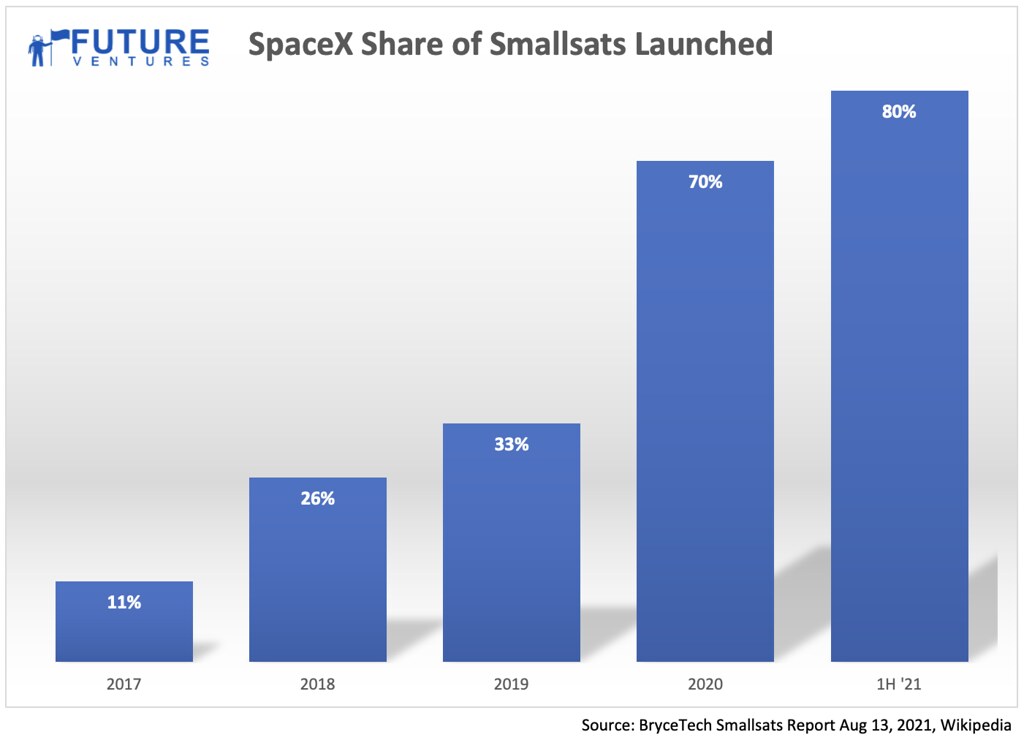
Moreover, SpaceX’s collaboration with various governmental and private entities for payload missions underscores its role as a pivotal player in the space industry. The ability to carry diverse payloads—from scientific instruments to satellites—further highlights the versatility of the Starship.
As anticipation builds for the upcoming payload run, many are eager to see how this milestone will pave the way for future explorations, including crewed missions to the Moon and Mars.
Challenges Ahead for SpaceX’s Starship Mission
As SpaceX gears up for its highly anticipated Starship payload run, several challenges loom on the horizon that could impact the mission’s success. The ambitious goals set by the company require overcoming a myriad of technical and environmental obstacles.
- Technical Challenges: The Starship design is cutting-edge, and ensuring the reliability of its systems is paramount. Any malfunction during the payload run could jeopardize not only the mission but also future launches.
- Regulatory Hurdles: SpaceX must navigate a complex regulatory landscape to secure necessary approvals for the launch. Delays in obtaining these permits could push back the timeline significantly.
- Environmental Concerns: The launch site’s impact on the surrounding ecosystem has raised concerns among local communities and environmentalists. Addressing these issues is essential for maintaining public support and avoiding legal challenges.
- Market Competition: As other companies ramp up their own space missions, SpaceX faces increasing competition. Successfully executing the Starship payload run will be crucial in maintaining its leadership position in the aerospace industry.
Despite these hurdles, the team at SpaceX remains optimistic, focusing on innovative solutions to ensure the Starship’s success in this groundbreaking mission.
The upcoming SpaceX Starship payload run is set to demonstrate the rocket’s capabilities in delivering larger payloads to orbit. As the industry watches closely, the success of the SpaceX Starship payload run could redefine the standards for future space missions.
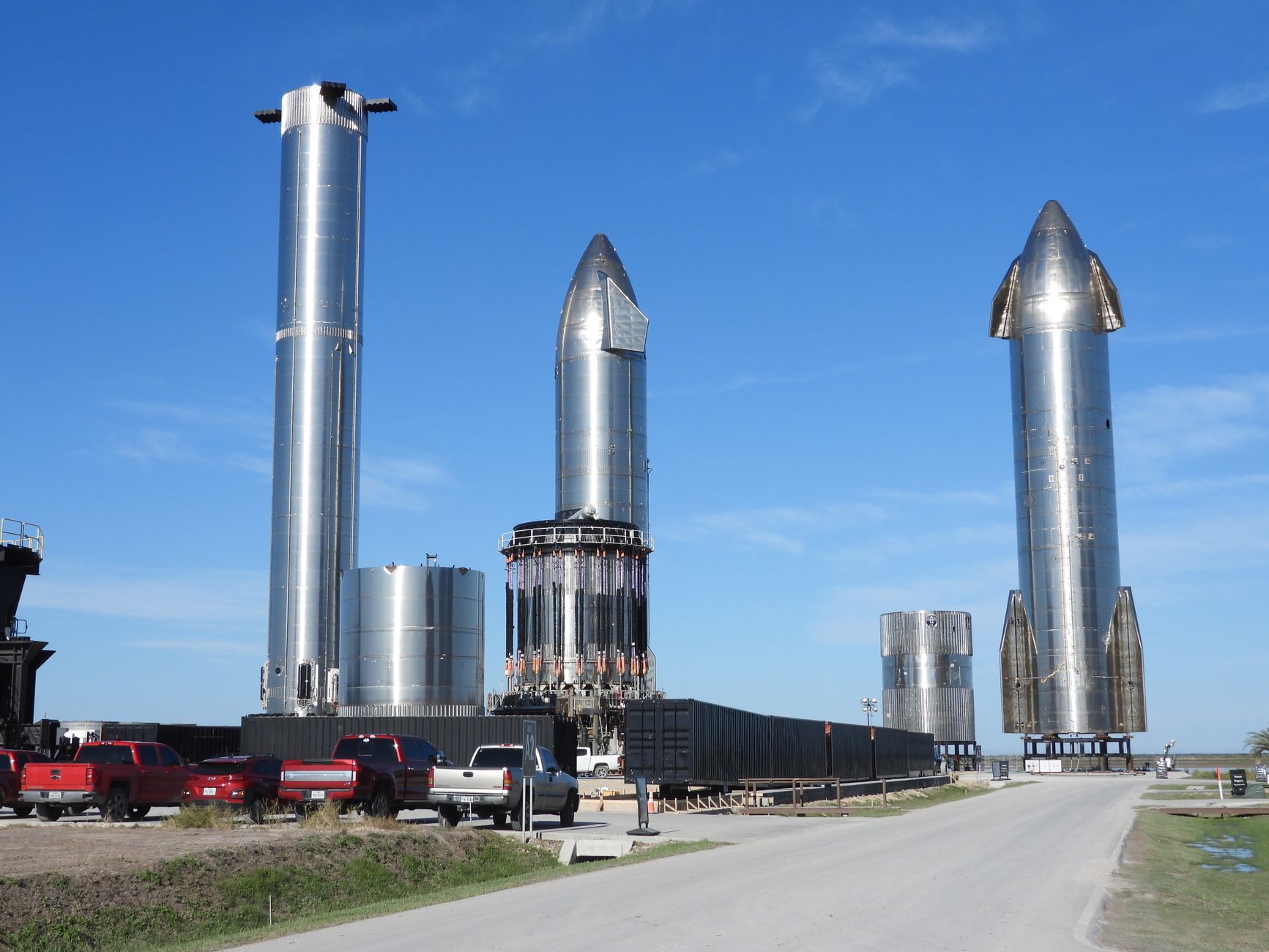
Photo by Ocean Camera Space Corp. on Pexels