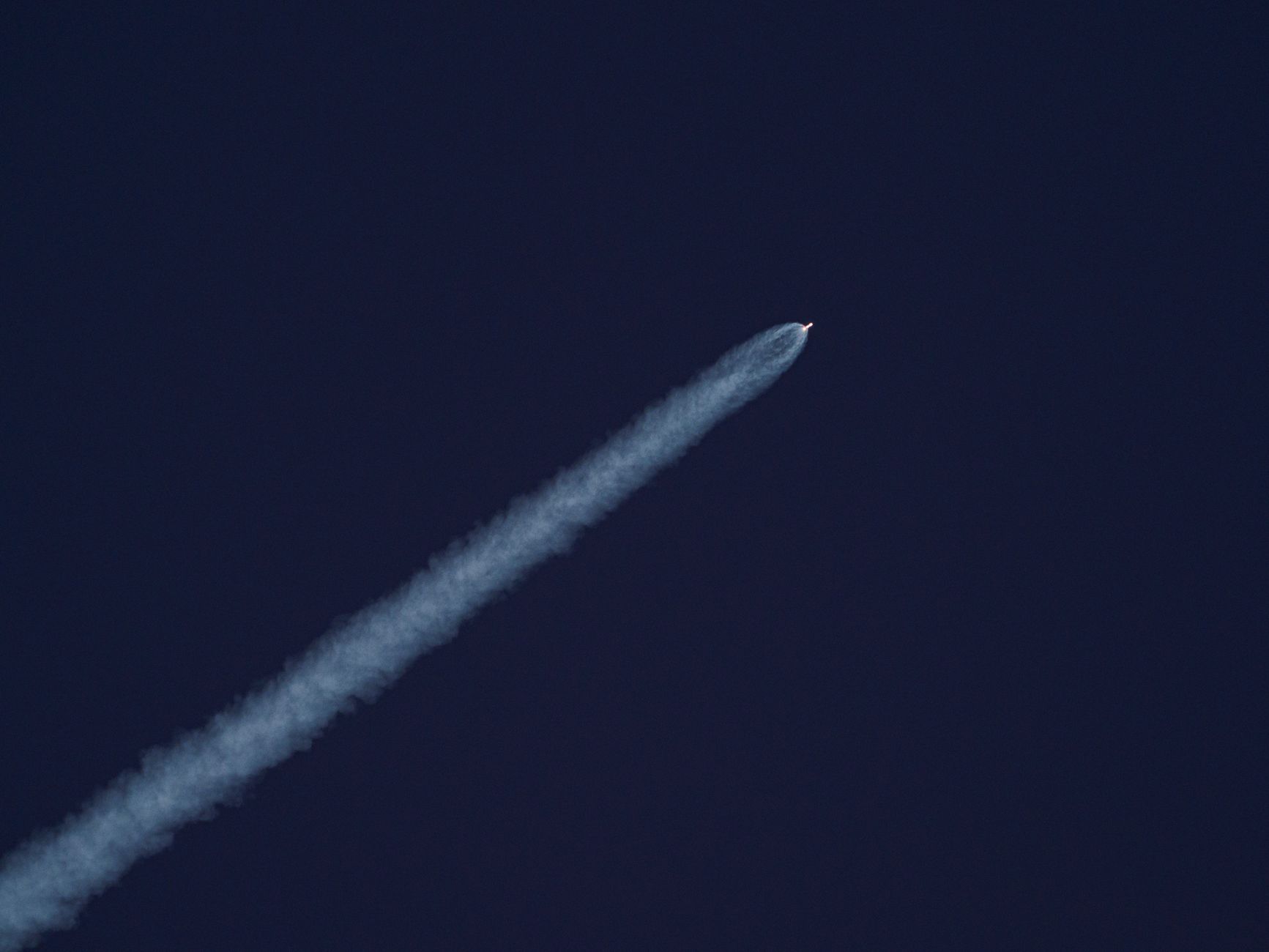
ISRO GSLV-F17 launch has successfully placed the EOS-05 satellite into orbit, showcasing India’s advancements in space technology. This mission highlights ISRO’s commitment to enhancing earth observation capabilities.
Overview of the GSLV-F17 Mission
The ISRO GSLV-F17 launch marked a significant milestone in India’s space exploration efforts. On this occasion, the Indian Space Research Organisation (ISRO) successfully deployed the EOS-05, an advanced earth observation satellite, into its intended orbit. This mission highlights ISRO’s commitment to enhance the capabilities of the nation’s satellite technology.
The GSLV-F17, or Geosynchronous Satellite Launch Vehicle Mark II, is designed to carry heavier payloads into geosynchronous transfer orbits. This launch underscores ISRO’s growing expertise in launching sophisticated satellites that can provide crucial data for various applications, including agriculture, forestry, and disaster management.
Key features of the GSLV-F17 mission include:
- Launch Date: The mission took place on a significant date, marking a new chapter in satellite launches.
- Payload Capacity: GSLV-F17 is capable of carrying payloads of up to 2,500 kilograms.
- Technological Advancements: The mission incorporated several innovative technologies for improved performance and reliability.
This successful launch reinforces ISRO’s reputation for conducting missions with precision and efficiency, showcasing India’s growing prowess in space technology.
Significance of EOS-05 Satellite
The launch of the EOS-05 satellite aboard the ISRO GSLV-F17 rocket holds significant importance for various sectors. This advanced earth observation satellite is designed to enhance the capabilities of remote sensing in India.
One of the key contributions of the EOS-05 satellite is its ability to provide high-resolution imagery, which is vital for:
- Agriculture: By monitoring crop health and predicting yields, farmers can make informed decisions to improve productivity.
- Disaster Management: The satellite can assist in tracking natural disasters, offering real-time data that aids in effective response and recovery efforts.
- Urban Planning: With detailed land-use mapping, cities can plan better, ensuring sustainable development and resource management.
- Environmental Monitoring: EOS-05 will help in tracking changes in land cover and assessing environmental impacts over time.
Moreover, the data collected will benefit various government agencies and research institutions, fostering advancements in science and technology. As part of the ISRO GSLV-F17 launch, the EOS-05 satellite represents a leap forward in enhancing India’s capabilities in space-based earth observation.
Technical Details of the Launch
The recent ISRO GSLV-F17 launch showcased impressive technical capabilities, further solidifying India’s position in space technology. The GSLV-F17 rocket, equipped with advanced features, was designed to place the EOS-05 satellite into geostationary orbit.
The launch vehicle utilized a three-stage configuration, comprising:
- Solid Rocket Boosters: These provided the initial thrust during liftoff, enabling the rocket to overcome Earth’s gravitational pull.
- Liquid Core Stage: This stage enhanced the rocket’s speed and trajectory precision, ensuring a smooth transition into higher altitudes.
- Payload Fairing: The fairing protected the EOS-05 satellite during ascent, safely deploying it into its intended orbit once atmospheric conditions were favorable.
The GSLV-F17 features an indigenous cryogenic upper stage, a testament to ISRO’s growing expertise in advanced propulsion systems. This capability allows for higher payloads and more efficient launches, marking a significant achievement in India’s space endeavors.
In summary, the ISRO GSLV-F17 launch not only demonstrated technical prowess but also set the stage for future missions aimed at enhancing Earth observation capabilities and scientific research.
Future Plans for ISRO
The Indian Space Research Organisation (ISRO) has ambitious plans for the future as it continues to build on the success of the GSLV-F17 launch. The successful deployment of the EOS-05 satellite marks a significant milestone and sets the stage for upcoming missions that aim to enhance India’s capabilities in space exploration and satellite technology.
In the coming years, ISRO is expected to focus on the following key areas:
- Enhanced Satellite Launches: With the proven success of the GSLV series, ISRO plans to increase the frequency of satellite launches, targeting a diverse range of applications, including communication, navigation, and earth observation.
- International Collaborations: Strengthening partnerships with global space agencies and organizations is a priority, allowing for shared knowledge and resources in developing cutting-edge technologies.
- Advanced Research and Development: ISRO aims to invest in research initiatives that focus on next-generation launch vehicles, propulsion systems, and satellite designs.
- Interplanetary Missions: Following the success of missions like Chandrayaan and Mangalyaan, ISRO intends to explore further interplanetary missions, expanding India’s reach in space science.
These future plans reflect ISRO’s commitment to innovation and its vision for India’s role in the global space arena.
Impact on Earth Observation
The successful launch of the ISRO GSLV-F17 has significant implications for Earth observation, enhancing the capabilities of monitoring environmental changes and natural disasters. The EOS-05 satellite, carried into orbit by the GSLV-F17, is equipped with advanced sensors that can capture high-resolution images of the Earth’s surface.
This satellite will play a crucial role in various applications, including:
- Agricultural Monitoring: EOS-05 will provide critical data to farmers, helping them optimize crop yields by monitoring soil health and moisture levels.
- Disaster Management: The satellite’s imaging capabilities will assist in the timely assessment of natural disasters, enabling quick response efforts during events such as floods and cyclones.
- Urban Planning: City planners will benefit from detailed satellite imagery that supports infrastructure development and urban expansion strategies.
- Climate Research: The data gathered will contribute to understanding climate patterns, aiding researchers in predicting weather changes and their impacts.
The ISRO GSLV-F17 launch represents a milestone in India’s space program, further solidifying its position as a key player in global Earth observation initiatives.
International Reactions to the Launch
The successful launch of the ISRO GSLV-F17 has garnered significant international attention, highlighting the advancements in India’s space capabilities. Global space agencies and experts have expressed their admiration for ISRO’s achievements, particularly in the realm of earth observation.
In the United States, NASA officials commended ISRO’s ability to launch the GSLV-F17 with precision, noting the importance of the EOS-05 satellite for environmental monitoring and disaster management. European Space Agency representatives also acknowledged the collaborative potential between nations in satellite technology and data sharing.
Asian countries, including Japan and South Korea, have praised ISRO’s consistent track record of successful launches, viewing it as a benchmark for their own space programs. Many experts believe that the GSLV-F17 launch will inspire further investments in space exploration across the region.
Furthermore, media outlets worldwide highlighted the significance of this launch in enhancing global earth observation capabilities, emphasizing the role of the EOS-05 satellite in addressing climate change and natural disasters. The international community eagerly anticipates the data from the EOS-05, expecting it to contribute significantly to scientific research and environmental management.
Conclusion and Next Steps
In conclusion, the successful launch of the ISRO GSLV-F17 marks a significant milestone in India’s space endeavors, showcasing advanced technology and robust engineering capabilities. The deployment of the EOS-05 satellite enhances India’s ability to monitor environmental changes and support various applications essential for sustainable development.
As ISRO continues to push the boundaries of space exploration, the GSLV-F17 mission paves the way for future projects, including more sophisticated satellites that can contribute to various sectors such as agriculture, disaster management, and urban planning. The agency’s commitment to innovation ensures that it remains at the forefront of global space initiatives.
Looking ahead, ISRO plans to expand its launching capabilities and foster international collaborations to enhance its technological prowess. The positive international reactions to the GSLV-F17 launch confirm India’s growing reputation in the space community and its potential to play a vital role in global space missions.
As new challenges arise, ISRO is poised to address them with forward-thinking strategies and continued investment in research and development. The journey of the GSLV-F17 is just one chapter in an exciting future for India’s space program.
The ISRO GSLV-F17 launch has demonstrated remarkable reliability in delivering payloads to orbit. This mission further solidifies the ISRO GSLV-F17 launch as a benchmark for future space endeavors.
Photo by Dirk Schuneman on Pexels