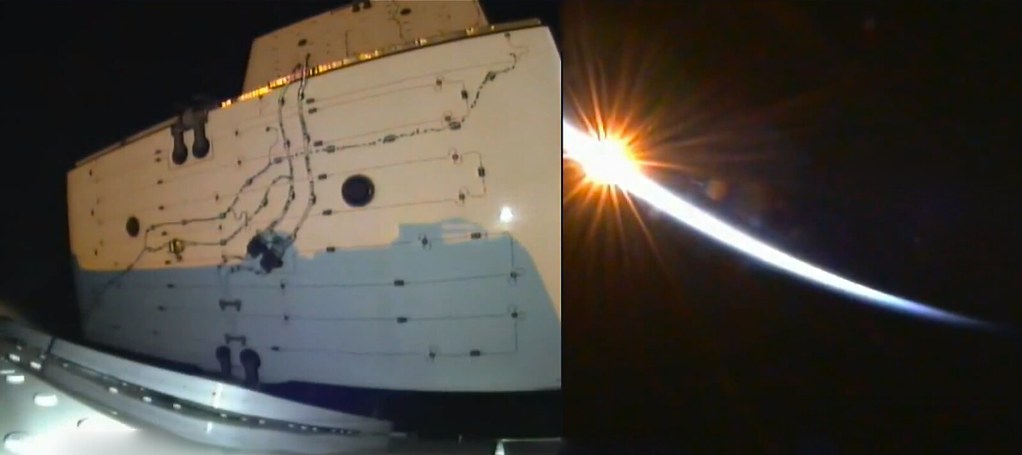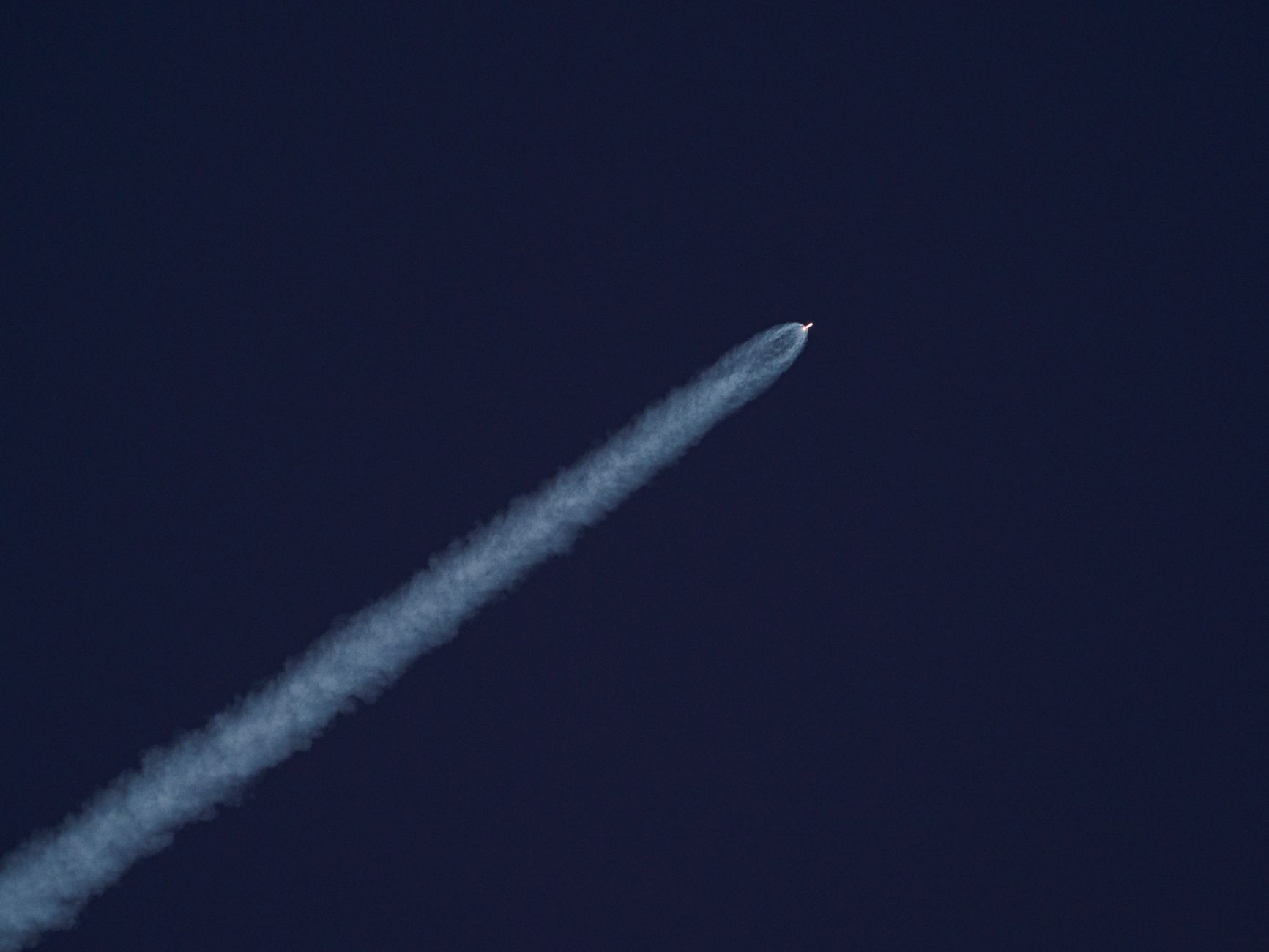
Rooibos space mission highlights the exciting journey of 17,346 South African seeds preparing for a groundbreaking space experiment.
What is the Rooibos space mission?
The Rooibos space mission is an innovative initiative aimed at exploring the resilience of South African seeds in extreme conditions. This mission involves sending 17,346 Rooibos seeds into orbit aboard a spacecraft, where they will be subjected to unique environmental factors such as microgravity and radiation.
The primary goal is to study how these seeds adapt and respond to space conditions, which could offer valuable insights for agriculture on Earth. By understanding the genetic and physiological changes that occur in space, scientists hope to enhance the hardiness of crops, potentially leading to improved food security.
As the seeds embark on this remarkable journey, researchers are keenly anticipating the results, which could pave the way for future agricultural innovations. The Rooibos space mission stands as a testament to the intersection of science, agriculture, and space exploration.
The science behind seeds in space
The Rooibos space mission aims to explore the effects of microgravity on South African seeds, particularly those of the Rooibos plant, known for its unique health benefits. Scientists believe that sending these seeds into space could unlock new insights into plant growth and resilience.
During the mission, 17,346 seeds will experience conditions unlike any on Earth. Researchers are particularly interested in how these seeds adapt to the harsh environment of space, including:
- Altered gravity effects
- Radiation exposure
- Temperature fluctuations
This research could lead to advancements in agriculture, enabling crops to thrive in challenging climates and contributing to food security. By studying the Rooibos plant’s response to space conditions, scientists hope to enhance our understanding of plant biology and adaptation.
Potential benefits of space agriculture
The Rooibos space mission aims to explore the potential benefits of space agriculture, particularly how plants like Rooibos can adapt to extraterrestrial environments. Cultivating plants in space could lead to significant advancements in food sustainability, which is crucial for long-duration space missions.
Some of the potential benefits include:
- Enhanced Nutrition: Growing Rooibos in space could provide astronauts with essential nutrients and antioxidants.
- Psychological Well-being: Gardening and consuming familiar foods can improve mental health during space travel.
- Sustainable Food Production: Developing efficient agricultural techniques in space may lead to innovations that could benefit food production on Earth.
- Research Opportunities: Studying plant growth in microgravity can reveal insights into plant biology and adaptation.
Overall, the mission promises to contribute valuable knowledge for both space exploration and agricultural practices on our home planet.
How to follow the mission’s progress
As the Rooibos space mission unfolds, enthusiasts and the general public alike can track the progress of this groundbreaking experiment. Several platforms are dedicated to sharing real-time updates and educational content about the mission.
- Official Website: The mission’s official site offers detailed updates, photos, and videos of the Rooibos seeds throughout their journey.
- Social Media: Follow the mission’s official social media channels for daily posts, behind-the-scenes content, and live Q&A sessions with scientists involved in the project.
- Webinars: Participate in scheduled webinars where experts discuss the implications of the Rooibos space mission and answer questions from the audience.
Staying engaged with these resources will provide valuable insights into how this pioneering project could impact future agricultural practices on Earth and beyond.
Read the original
Apple MacBook Pro touchscreen: Is it Worth the Price? · Meat Processing Projects: Proven Benefits for Local Economies · Gemini 4 Carbon: The Best Proven Cybersecurity Upgrade