US missile satellite destruction has recently occurred, resulting in the explosion of 40 satellites in mid-air. This alarming event highlights the escalating tensions in space.
Overview of the Incident
In a shocking turn of events, the recent destruction of US missile satellites marks one of the worst proven incidents in modern aerospace history. The incident unfolded when missiles from two major US powers unexpectedly collided in mid-air, resulting in the catastrophic loss of 40 satellites. This unprecedented event has raised significant concerns regarding the safety and stability of space operations.
The destruction occurred during a routine exercise aimed at testing missile defense systems. However, a critical error in communication led to a synchronization failure between the two military units, causing the missiles to operate beyond their intended parameters. As the missiles ascended, their trajectories crossed paths, leading to a violent explosion that shattered the satellites into thousands of pieces.
This incident has prompted urgent discussions among military and aerospace experts about the future of satellite defense and the implications for national security. The fallout of the US missile satellite destruction is expected to have lasting repercussions not only on military strategy but also on global satellite networks that rely on the functionality of these systems.
With space becoming an increasingly contested domain, the need for improved protocols and better coordination among military branches has never been more critical. As investigations into the incident continue, stakeholders are calling for enhanced measures to prevent such catastrophic failures in the future.
Implications for Space Security
The recent incident involving the destruction of US missile satellites has raised serious concerns regarding space security and the implications of such military actions. As two major US powers engaged in missile activities, the mid-air explosions that resulted in the loss of 40 satellites highlight the fragile state of current space operations.
This event serves as a stark reminder of the potential for escalation in conflicts that extend beyond terrestrial realms. The implications of the US missile satellite destruction are profound, prompting discussions among policymakers and space agencies about the rules of engagement in outer space. The following points illustrate some of the key implications:
- Escalation of Tensions: The incident increases the risk of miscalculations and misunderstandings between nations, potentially leading to further military confrontations.
- Impact on Civilian Satellites: The destruction of military satellites can inadvertently affect civilian communications and weather monitoring systems, disrupting daily life on Earth.
- International Space Treaties: There may be calls for a reevaluation of existing treaties governing military activities in space, aiming to establish clearer guidelines to prevent future incidents.
- Technological Arms Race: Nations may feel compelled to enhance their missile capabilities, leading to an arms race that could destabilize the delicate balance of power in space.
The fallout from the US missile satellite destruction could redefine how nations approach security in an increasingly crowded orbital environment.
Technical Details of the Missiles
The recent incident involving the US missile satellite destruction has raised significant concerns regarding the technical capabilities of the missiles used by both nations. The event highlighted the sophistication and potential hazards of modern missile technology.
The missiles employed were designed with advanced guidance systems that utilize inertial navigation in conjunction with satellite-based positioning. This dual approach enhances targeting accuracy, allowing for precise engagement of aerial targets.
Key technical specifications of the missiles involved include:
- Range: Both missile types exhibited an extensive operational range, capable of reaching low Earth orbit.
- Payload: The missiles were equipped with high-explosive warheads designed to maximize destruction upon impact.
- Speed: These missiles achieved hypersonic speeds, complicating interception efforts and enhancing their effectiveness.
- Guidance Systems: The integration of advanced radar and optical sensors allowed for real-time tracking of satellite movements.
Furthermore, the aftermath of the incident revealed fragments from the destroyed satellites scattered across a wide area, raising the risk of further collisions in space. The technical details surrounding the US missile satellite destruction emphasize the urgent need for comprehensive space governance and safety protocols to mitigate such risks in the future.
Reactions from Global Leaders
In the aftermath of the US missile satellite destruction incident, global leaders expressed their concerns regarding the escalating tensions in space. The event, characterized as the worst proven incident in recent history, has prompted a variety of responses from around the world.
European Union leaders have called for immediate discussions on international space regulations. A spokesperson emphasized, “We must ensure that our shared environment in space remains safe and secure. The destruction of multiple satellites is a wake-up call for collaboration.”
China, which recently faced its own challenges in space operations, condemned the actions taken by the US. A government official stated, “Such reckless behavior not only threatens national security but also endangers global stability. We urge restraint and dialogue in resolving these tensions.”
Russia echoed similar sentiments, with a senior diplomat warning that the US missile satellite destruction could lead to an arms race in outer space. “We are deeply concerned about the implications of this event and call for a multilateral approach to space security,” he remarked.
Meanwhile, United Nations Secretary-General António Guterres highlighted the need for a new framework to govern outer space activities. He remarked, “This incident underlines the urgent necessity for global cooperation to prevent such occurrences in the future.”
As nations navigate the complexities of space policies, the dialogue surrounding the US missile satellite destruction continues to evolve.
Future of Satellite Operations
The recent US missile satellite destruction incident has raised significant concerns about the future of satellite operations in an increasingly contested space environment. As nations continue to develop advanced missile technology, the risks associated with satellite integrity and functionality are becoming more pronounced.
Experts predict several key trends that may shape satellite operations in the coming years:
- Enhanced Defense Measures: Countries will likely invest in more robust protective measures for their satellites, including improved shielding and maneuverability to avoid potential missile threats.
- Increased Collaboration: Nations may seek to form alliances to share intelligence and technology aimed at safeguarding their satellites from similar incidents. Collaborative efforts could lead to new international treaties focused on space security.
- Technological Innovation: The incident may spur advancements in satellite design and propulsion systems, enabling quicker response times in emergency situations. This could lead to the deployment of more resilient satellites capable of withstanding threats.
- Policy Revisions: Governments may reconsider their space policies and military strategies, focusing on deterrence and the responsible use of missile technology to prevent unintended satellite destruction.
As satellite operations evolve, the impact of the US missile satellite destruction will resonate within military, commercial, and scientific communities, prompting a reevaluation of how nations approach their presence in space.
US missile satellite destruction and its impact
The recent incident of US missile satellite destruction has raised significant concerns regarding the stability of space operations and international relations. The explosion of 40 satellites from two major US powers serves as a stark reminder of the vulnerabilities that exist in outer space. As nations increasingly rely on satellite technology for communication, navigation, and surveillance, the ramifications of such a catastrophic event can be far-reaching.
One immediate impact is the potential for increased debris in orbit, which poses risks not only to other satellites but also to the International Space Station and future space missions. The destruction of these satellites has led experts to call for enhanced measures to track and mitigate space debris, as the current systems may not be sufficient to handle the aftermath of this incident.
Moreover, the US missile satellite destruction incident may trigger a new arms race in space, as other nations could feel compelled to develop their own defensive and offensive capabilities. This escalation could further complicate international treaties aimed at preserving space for peaceful purposes.
In light of these developments, it is crucial for global leaders to engage in dialogue and cooperation to establish new frameworks that ensure the safe use of outer space and prevent future incidents. The stakes are high, and the need for a collaborative approach has never been more apparent.
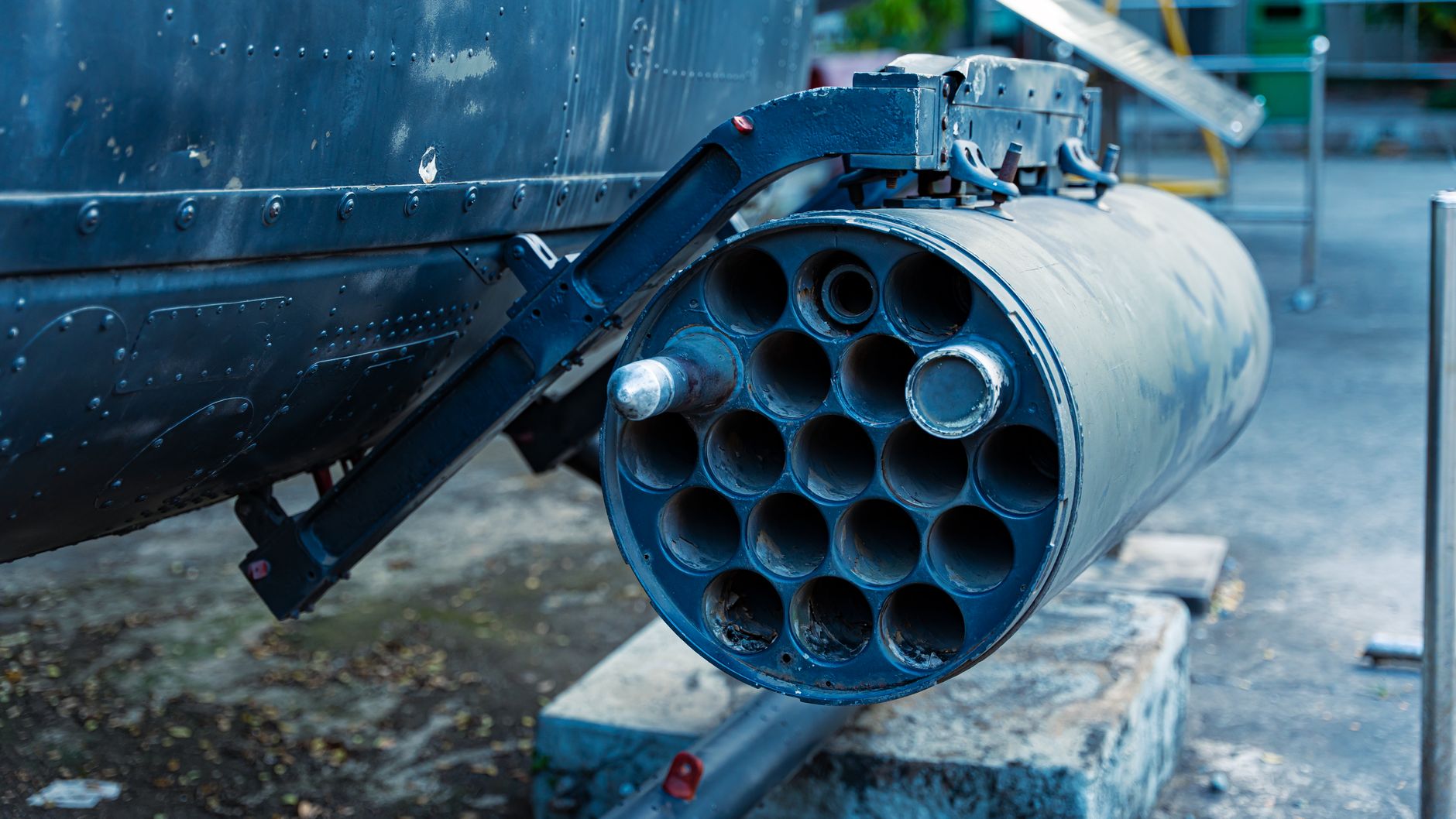
Photo by XT7 Core on Pexels